
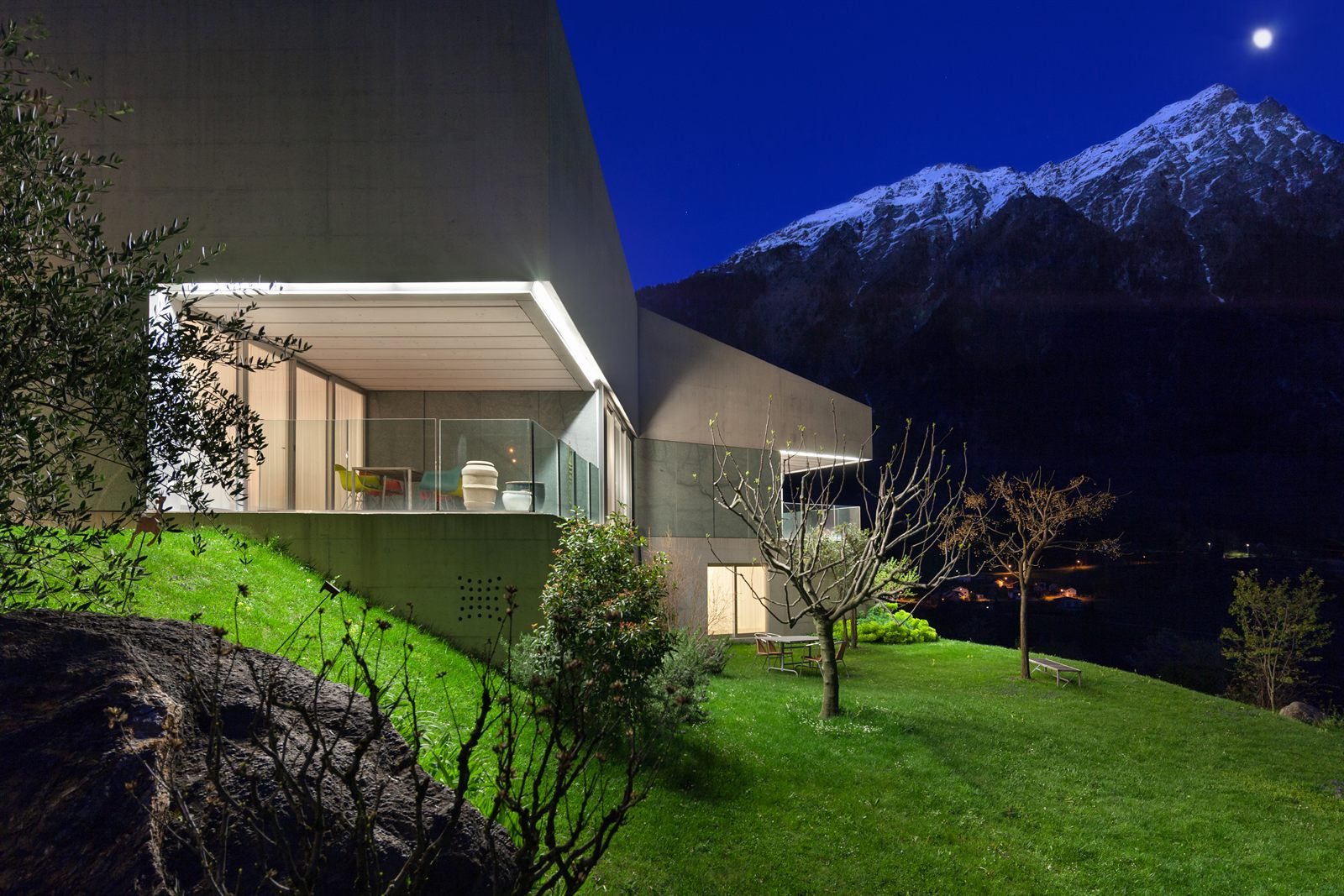
Building a custom home and buying one that already exists are different financial propositions, and the gap between them has been widening. Land, site development and skilled trades have all risen faster than the price of finished homes already sitting on the market, which is why a custom build can pencil out well above a comparable spec home. That premium is not waste — you are buying control over design, location and finish — but it belongs in your budget from the start rather than being discovered at framing. If you’ve been dreaming about a custom build on a lot outside Scottsdale, in the Colorado foothills, or on acreage north of Austin, this is worth understanding before you sign a construction contract.
Why the Gap Is Widening Right Now
Spec builders buy land and materials in bulk, lock in labor months ahead of time, and spread permitting costs across dozens of homes. A custom build doesn’t get any of those economies of scale. You’re paying retail for a one-off project, and retail construction costs have been sticky — skilled trade labor is still tight in fast-growing metros, and lumber, concrete, and HVAC equipment haven’t fully given back their post-2021 price gains. Meanwhile, builders with existing inventory have been discounting and offering incentives just to move homes, which widens the gap even further on the other side of the equation.

What This Means in Arizona
Phoenix and Scottsdale have plenty of custom lot inventory in the outer suburbs — Queen Creek, Buckeye, north Scottsdale — but infrastructure costs (wells, septic, grading on desert terrain) add up fast outside city utility lines. I’ve had clients quote a custom build 20-25% higher than a comparable production home in the same zip code, purely because of site work and a builder’s smaller-scale purchasing power. If cash flow and predictability matter more to you than a fully custom floor plan, a semi-custom or “build-on-your-lot” program through a larger builder can split the difference.
What This Means in Colorado
Denver metro and the mountain-adjacent markets (think Golden, Castle Rock, parts of Larimer County) have some of the tightest skilled-labor markets in the country, especially for framing and electrical crews who split time between residential and commercial mountain-town projects. Custom builds here also carry steeper permitting and impact fees than most people expect. If you already own land, get a hard, line-item bid before you fall in love with a design — I’ve seen Colorado clients blow through a contingency budget because the site prep and utility tap fees weren’t priced in up front.
What This Means in Texas
I don’t lend in Texas, but the Central Texas custom-build market is worth watching because it shows this dynamic in its most extreme form. Austin and the broader Central Texas corridor have a deep bench of production builders competing aggressively on price right now, which is exactly why the custom premium shows up so clearly there. For buyers who prioritize acreage, a specific lot, or a home a production builder won’t touch, custom is still the only path there — but it comes at a real premium. I’m describing this Texas dynamic because the underlying forces — tight skilled labor, retail-priced site work, and production builders competing on price — apply just as much in Arizona, California, Colorado, and Nebraska, which are the states where Loanatik is actually licensed to lend.
What to Actually Do About It
This data point shouldn’t scare you off building a custom home — it should change how you shop and finance. For a broader read on how home prices are trending nationally, the Federal Housing Finance Agency’s House Price Index is a useful public benchmark for gauging whether the spec-vs-custom gap described here is holding steady in your market.
- Get bids in writing, itemized. Land clearing, utility hookups, permits, and contingency should each be their own line — not buried in a lump sum.
- Compare against spec inventory before committing. Even if you prefer custom, knowing the gap in real dollars helps you negotiate or decide it’s worth it.
- Understand your construction loan structure. Construction-to-permanent loans, draw schedules, and interest-only periods during the build work differently than a standard purchase mortgage — ask your lender to walk through timing before you’re mid-build.
- Build in a real contingency of 10–15% of hard costs, not the 5% cushion that used to be common. Site work is where custom builds most often run past budget — rock, poor soils, longer utility runs, drainage fixes — and little of it is fully known when you sign. Ask your builder which line items are allowances rather than fixed prices, and settle with your lender up front how change orders get funded, because most construction loans will not simply enlarge to absorb them.
- Lock financing terms early where you can. Costs on the construction side are more volatile than on a standard purchase, so having certainty on your loan terms matters more, not less.
A Quick Example
Say a spec home in a growing Denver suburb lists for $650,000. A custom build on a similar-sized lot nearby, with comparable square footage, might land closer to $780,000-$820,000 once you account for site work, a smaller builder’s overhead, and today’s elevated custom premium. That’s a hypothetical, not a quote — but it’s the kind of gap I’m seeing clients run into when they compare the two paths side by side.
Should You Still Build a Custom Home?
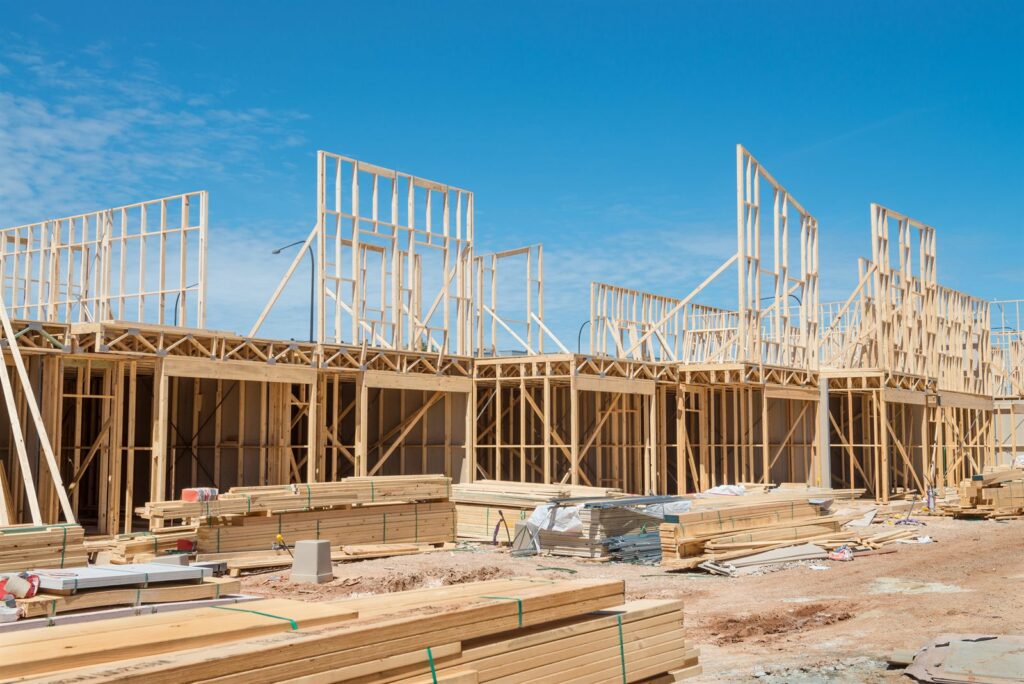
Sometimes, yes. If you need a specific lot — mountain views, acreage, a corner of Phoenix that has no inventory — custom is the only way to get it, and the premium is just the cost of that specificity. But if your real goal is “new construction, good layout, reasonable price,” it’s worth cross-shopping spec homes before committing to a custom contract. I tell clients: decide what you’re actually optimizing for — location, layout, or price — because right now you likely can’t get all three from a custom build.
Whichever direction you go, financing terms matter more when construction costs are elevated. It’s worth taking a look at current rate trends before you finalize a construction loan or lock a purchase rate, and if you’re ready to compare options for either path, you can get pre-approved and talk through the numbers with a loan officer directly.
FAQ
Is building a custom home always more expensive than buying right now?
Not always, but the gap has widened. In markets with strong spec-home competition — much of Texas and parts of Arizona — buying often costs less for comparable square footage. Land, location, and how much customization you actually need change the math.
Can I still get competitive financing for a custom home build?
Yes, subject to credit approval — construction-to-permanent loans and lot loans are available in Arizona, California, Colorado, and Nebraska, the states where Loanatik is licensed to lend. The key is understanding the draw schedule and rate structure during construction versus after the home converts to a standard mortgage.
What’s the one thing buyers overlook most in custom budgets?
Site work — grading, utility connections, wells or septic outside city limits. It’s rarely included in a builder’s initial per-square-foot number, and it’s often where budgets go sideways.
Not sure how the land, site-work allowances, 10–15% contingency, and draw schedule fit into your own build budget? Talk with us about financing a custom build before you sign a construction contract, so the financing structure is part of the plan from the start.
This article is general education, not financial advice or a commitment to lend. Loan programs, terms, and availability are subject to credit approval and may change. Loanatik LLC is an Equal Housing Lender. See our licensing & disclosures.