
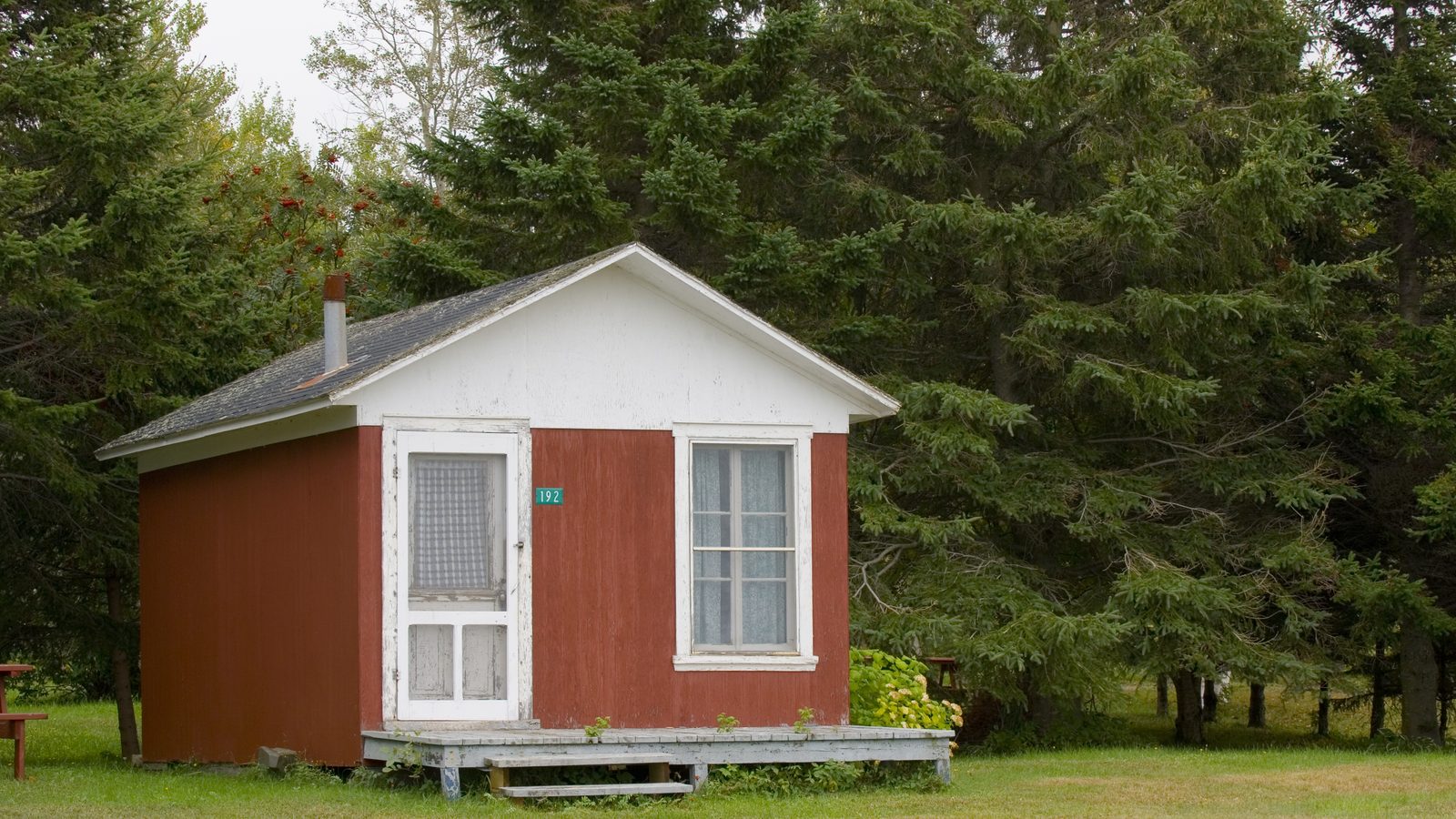
A USDA loan lets an eligible buyer finance a home with no down payment at all, backed by the U.S. Department of Agriculture’s Rural Development program. It’s not just for farms — plenty of my clients buying in fast-growing suburbs outside Phoenix, Denver, and Omaha qualify without realizing it. The catch is that the property has to sit in a designated “rural” area (which is a looser definition than you’d think) and your household income has to fall under a local limit. If both boxes get checked, this is one of the most underused loan programs out there.
What a USDA Loan Actually Is
The USDA Guaranteed Loan program is designed to support homeownership in less densely populated areas, and it does that by removing the down payment barrier entirely — something even VA loans require you to be a veteran for. There’s also no monthly mortgage insurance in the traditional PMI sense; instead, USDA loans use an upfront guarantee fee and a smaller annual fee, which I’ll break down below. Credit requirements are moderate, not ultra-strict, and rates tend to run competitively with conventional financing since the government guarantee reduces the lender’s risk.
Where it gets interesting is the “rural” label. USDA eligibility maps haven’t kept pace with how much exurban growth has happened over the last decade, so a lot of areas that feel more suburban than rural still qualify.
Eligible Areas Near Our Markets
I get this question constantly: “Does USDA even work in my state?” Here’s how it shakes out across where Loanatik does home loans:
- Arizona — Forget qualifying inside Phoenix or Scottsdale proper, but push out toward Maricopa, Casa Grande, or parts of Pinal County, and you’ll find eligible pockets. Northern Arizona towns outside Flagstaff often qualify too.
- California — This is the toughest state for USDA by far, given how much of it is classified metro. Sacramento itself is out, but outlying communities in Yolo, Sutter, and parts of the Central Valley can work. I always run the address through USDA’s own eligibility map before getting anyone’s hopes up.
- Colorado — Denver, Boulder, and Colorado Springs are ineligible, but plenty of the Eastern Plains, and towns a bit outside the Front Range corridor, are fair game.
- Nebraska — This is where USDA shines. Omaha and Lincoln proper are excluded, but a huge share of the rest of the state — including many bedroom communities within a reasonable commute — qualifies. Nebraska is genuinely one of the best USDA states in the country.
My advice: don’t assume based on how “rural” a place feels. Always check the actual address against the current USDA map, because boundaries shift periodically as census data updates.
Income Limits — The Part People Skip
USDA isn’t just about location; it’s an income-restricted program on purpose, because it’s meant to serve moderate-income households rather than everyone. The limit is based on your area’s median income, adjusted for household size, and it counts income from everyone living in the home 18 or older — not just the borrowers on the loan. That trips people up. If you’ve got an adult child or a parent living with you who has income, it factors into the calculation even though they’re not on the mortgage.
Limits vary county by county, and they’re generally higher in more expensive metros and lower in truly rural counties. I always run this number early in the conversation, because there’s no point getting someone excited about zero down if their household income is $8,000 over the cap. The good news: these limits get updated annually and tend to rise, so someone who didn’t qualify last year might this year.
The Guarantee Fee, Explained Plainly
Since USDA loans don’t use PMI, they replace it with two fees:
- Upfront guarantee fee — a percentage of the loan amount, financed into the loan rather than paid out of pocket at closing in most cases.
- Annual fee — a smaller ongoing fee, paid monthly as part of your payment, similar in spirit to mortgage insurance but generally cheaper over the life of the loan than FHA’s annual MIP.
For example, on a hypothetical $250,000 loan, an upfront guarantee fee in the low single-digit percentage range would roll into your balance, and the annual fee would add a modest amount to your monthly payment — nowhere near what you’d pay in PMI on a low-down-payment conventional loan. Exact fee percentages are set by USDA and can change, so I’ll always quote you the current numbers when we run your scenario rather than relying on anything you read online.
Who Tends to Be a Good Fit
In my experience, USDA works best for:
- First-time buyers who don’t have down payment savings but have decent, stable income under the local limit.
- Buyers already looking at exurban or small-town properties for lifestyle reasons — more land, lower prices, quieter commute.
- People with credit that’s solid but not flawless, since USDA underwriting tends to be more forgiving than jumbo or some conventional guidelines.
It’s a poor fit if you’re set on living inside a major metro core, or if your household income (including non-borrower adults) runs well above the local cap — no amount of paperwork changes that.
How to Find Out If You Qualify
The fastest way to know where you stand is to give me the address you’re considering and your household income breakdown. I’ll check it against the current eligibility map and income limit for that county in about the time it takes to finish a cup of coffee. If USDA doesn’t pencil out, we pivot — often to a low-down-payment conventional loan or, if you’re a veteran, a VA loan with similarly attractive zero-down terms. You can start that conversation and get pre-approved whenever you’re ready, and if you want to see how a USDA payment compares to other loan types side by side, run the numbers yourself first.
FAQ
Can I use a USDA loan to buy a home inside Phoenix or Denver?
No. Core metro areas are excluded by design. But many surrounding communities within commuting distance often qualify — it’s worth checking the specific address rather than assuming.
Does USDA require a minimum credit score?
There’s no federally mandated minimum, but individual lenders set their own credit guidelines, subject to credit approval. Most successful USDA borrowers I work with have fair-to-good credit rather than pristine credit.
Is USDA better than an FHA loan?
It depends on the property location and your income. USDA typically has lower ongoing fees than FHA and requires no down payment, but FHA works anywhere, including inside major cities, and has no household income cap.
Thinking about your next move? Get a fast, no-pressure look at your options with a licensed Loanatik officer. Start here →
This article is general education, not financial advice or a commitment to lend. Loan programs, terms, and availability are subject to credit approval and may change. Loanatik LLC is an Equal Housing Lender. See our licensing & disclosures.