
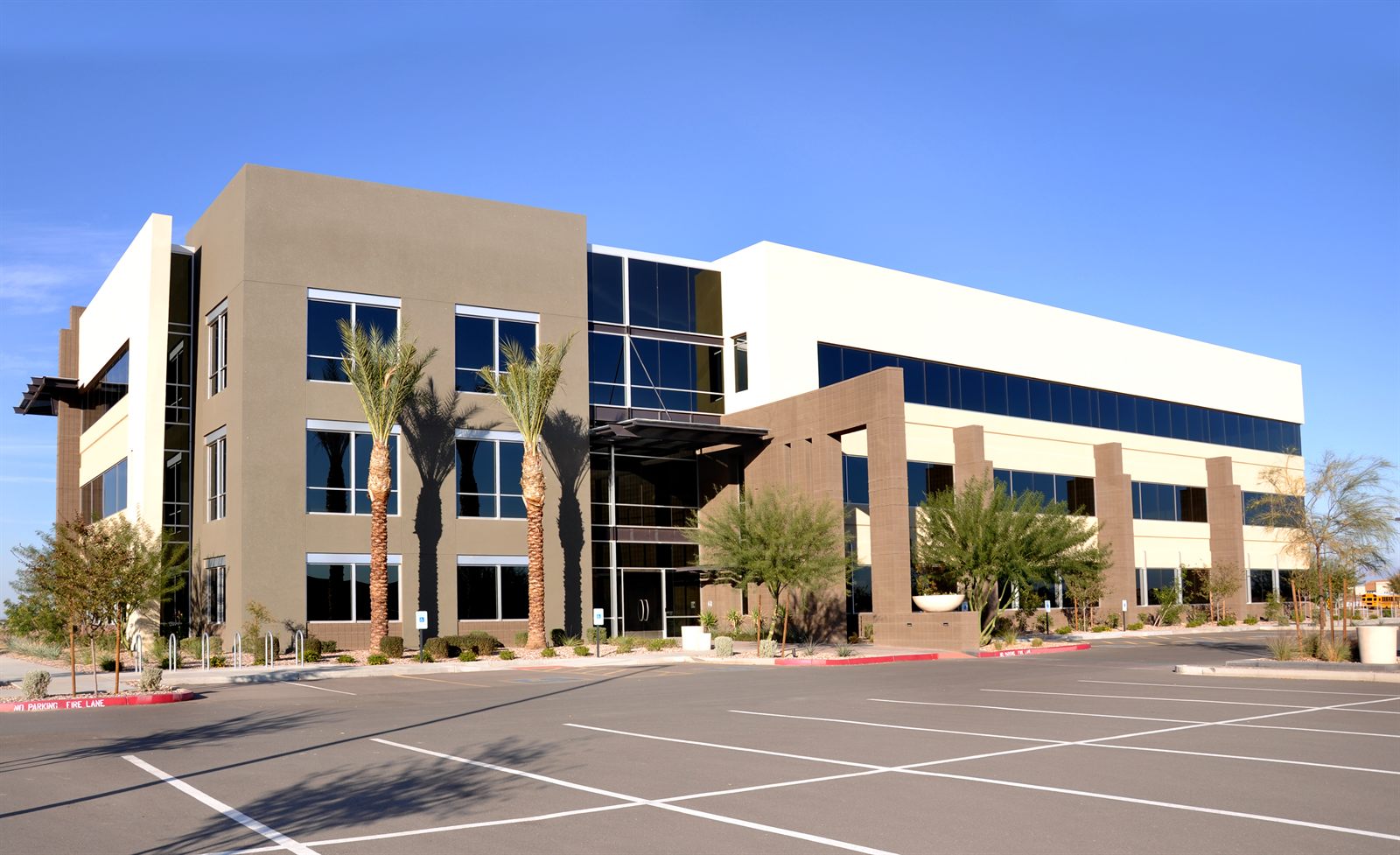
SBA loan restrictions come down to one basic idea: the money has to go toward operating or growing a legitimate small business, not toward passive investing, speculation, or lending the funds back out to someone else. I get asked about this constantly — usually from a business owner who’s found a great deal on a rental property or a piece of land and wants to know if an SBA loan can cover it. Sometimes yes, often no. The eligible uses are actually pretty broad — working capital, equipment, owner-occupied real estate, business acquisitions, debt refinancing — but the exclusions are firm, and knowing them upfront saves you weeks of wasted underwriting time.
The SBA Guarantees the Loan — It Doesn’t Lend the Money
Here’s a distinction that trips people up constantly: the Small Business Administration doesn’t hand you a check. Loanatik, or another participating lender, funds the loan using our own underwriting standards, and the SBA guarantees a portion of it against default. That guarantee is what lets lenders extend longer terms and more flexible structures than a typical conventional business loan would allow. It also means SBA loan restrictions aren’t arbitrary red tape — they’re the conditions the government attaches to backing that guarantee, and lenders are required to enforce them regardless of how good the deal in front of them looks. If you want the mechanics of how that guarantee actually functions in practice, our breakdown of how the 7(a) program actually works walks through it step by step.
What SBA Loans Can Actually Fund
Once you’re past the guarantee structure, the eligible-use list is generous. In my experience, most legitimate operating needs qualify:
- Working capital — payroll, inventory, day-to-day operating expenses
- Equipment and machinery purchases
- Owner-occupied commercial real estate (the business has to actually use the space)
- Buying an existing business or buying out a partner
- Refinancing existing business debt under better terms
- Franchise fees and startup costs tied to opening a location
Buying a company outright is one of the more common uses I see, and it has its own quirks around seller notes, goodwill, and valuation that are worth understanding before you make an offer — this guide on business acquisition financing covers what changes when SBA financing is part of the structure.
Clear Restrictions on SBA Loans: What’s Off-Limits
This is where I spend most of my time explaining, because these SBA loan restrictions aren’t gray areas — they’re built into the program rules. The three big ones:
- Passive real estate investment. Buying a building to rent out to unrelated tenants isn’t eligible. SBA financing is for businesses that occupy and operate from the space themselves.
- Speculation. Land banking, flipping property for appreciation, or any deal where the return depends on market timing rather than business operations is excluded.
- Relending or investing the proceeds. You can’t take SBA loan proceeds and turn around and lend them to another business, invest them in securities, or use them to fund a separate passive venture.
There’s a longer list of technical exclusions too — businesses involved in gambling, certain speculative ventures, illegal activity under federal law (this includes state-legal cannabis businesses, since federal guidelines still apply), and pyramid-style sales structures. If your business model touches any of these, it’s worth a direct conversation before you spend time on an application.
Passive Income and Investment Property: Why the Occupancy Rule Matters
The real estate restriction deserves its own explanation because it’s the one that catches the most business owners off guard. SBA-financed commercial real estate has to be majority owner-occupied — generally the business itself needs to use most of the space, not lease it out to unrelated tenants for rental income. A dentist buying her own office building qualifies. An investor buying a strip mall to lease to other businesses does not, even if the numbers pencil out beautifully. We’ve written a full explanation of how the occupancy rule works in practice, including the percentage thresholds and what happens with mixed-use buildings, if you’re trying to figure out whether your specific property fits.
Trying to figure out if your project fits within SBA loan restrictions or needs a different structure entirely? Explore our SBA 504 and 7(a) loan options and talk through your specific situation before you commit to a property or a purchase agreement.
SBA Loan Restrictions vs. Other Financing Options
If your plan involves passive investment property, speculative land, or relending capital, an SBA loan simply isn’t the right tool — but that doesn’t mean you’re out of options. Investment and commercial real estate purchases can often be financed through conventional commercial products instead, and it’s worth understanding the trade-offs before you default to SBA financing just because the terms sound attractive. Our comparison of SBA loans versus conventional business financing lays out where each option actually fits, including cost, speed, and collateral differences that matter once you’re past the eligibility question. The Consumer Financial Protection Bureau also publishes general guidance on small business lending practices that’s useful background regardless of which financing route you take.
FAQ: SBA Loan Restrictions
Can I use an SBA loan to buy a rental property?
Generally no. SBA loan restrictions exclude passive real estate investment — properties bought primarily to generate rental income from unrelated tenants — because the program is designed to finance businesses that operate from the space, not landlords.
Does the SBA restrict how much of a building I need to occupy?
Yes, there’s an occupancy threshold that varies by whether you’re building new or buying existing space, and it’s weighed alongside the rest of your file rather than treated as a single pass/fail line — worth reviewing the specifics before you shop for property.
Are startup costs eligible under SBA lending rules?
Startup and franchise-related costs are generally eligible uses, though approval still depends on the full picture — credit, projected cash flow, collateral, and the borrower’s experience are all weighed together, not just the intended use of funds.
Thinking about your next move? Get a fast, no-pressure look at your options with a licensed Loanatik officer. Start here →
This article is general education, not financial advice or a commitment to lend. Loan programs, terms, and availability are subject to credit approval and may change. Loanatik LLC is an Equal Housing Lender. See our licensing & disclosures.