
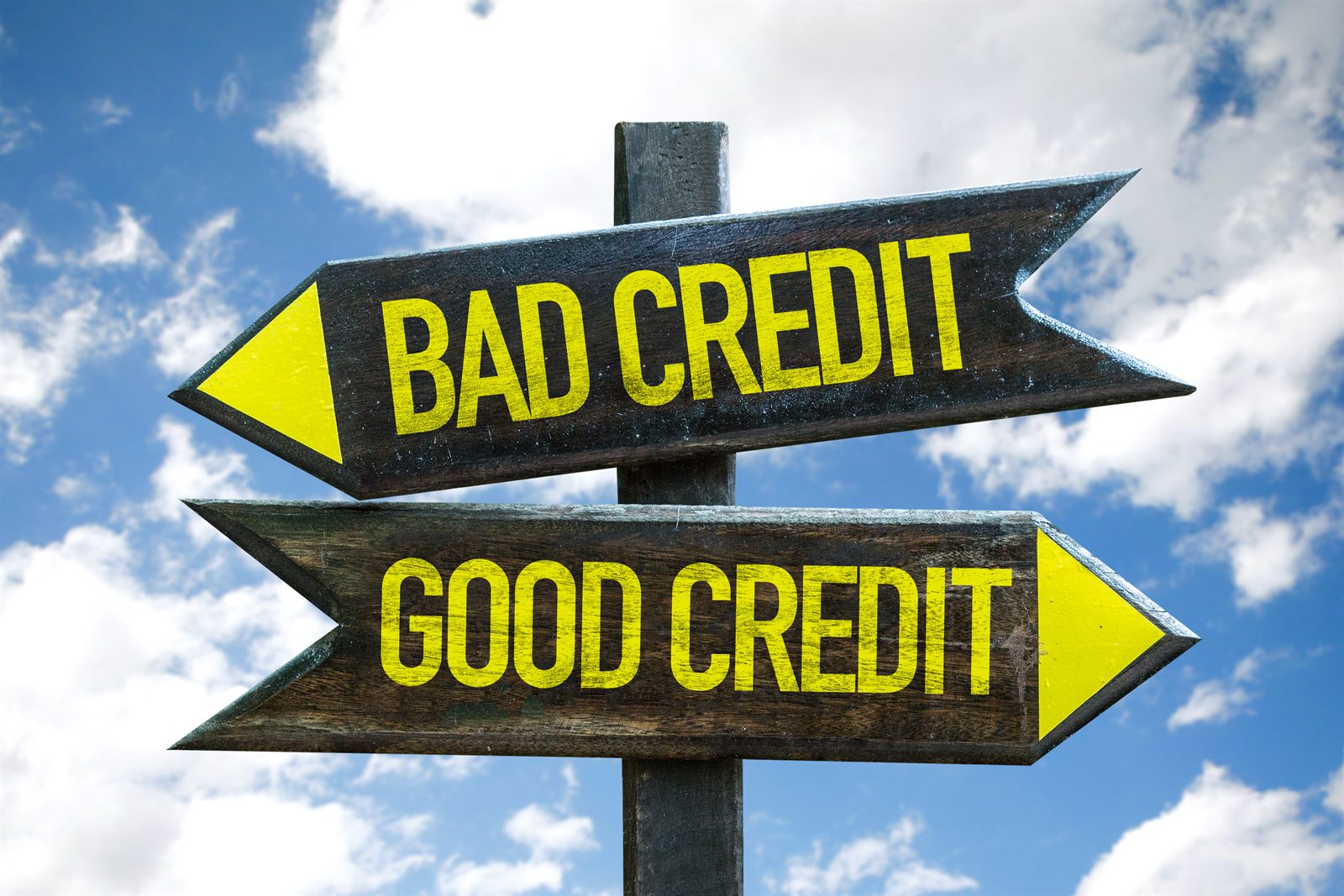
If you’re planning to buy in the next six to twelve months, the single best use of your time isn’t hunting for listings — it’s working to improve credit before applying for a mortgage. A handful of well-timed moves on your credit utilization and payment history can shift your score enough to change your rate, your loan options, or both. And just as important: there are a few common instincts (open a new card, close an old one) that can quietly work against you right before your loan needs to close.
Why You Should Improve Credit Before Applying for a Mortgage
I’ve had clients with solid income and a reasonable down payment saved who still got a less favorable pricing tier because their credit utilization was sitting at 60% on one card. Nothing catastrophic — no late payments, no collections — just a habit that was costing them at the exact moment it mattered most. Credit scoring models react fast to utilization changes and slowly to length-of-history changes, which is exactly why the few months before you apply are the highest-leverage window you’ll get. Underwriters weigh your score alongside your debt-to-income ratio, your reserves, and your overall file — no single number decides approval on its own, but a stronger score genuinely widens your options. That’s why it’s worth taking deliberate steps to improve credit before applying, rather than hoping your score is high enough when the time comes.
Credit Utilization: The Fastest Lever You Control
Utilization — the percentage of your available revolving credit you’re using — typically carries more weight in your score than almost anything else you can change quickly. Paying down balances doesn’t just feel good; it can move your score within a single billing cycle once the new balance reports.
- Aim to keep each card under 30% of its limit, and under 10% if you’re trying to squeeze out every point before applying.
- Pay down cards before the statement closing date, not just the due date — balances usually report to the bureaus at statement close, not when you pay.
- If you carry a balance across several cards, paying down the highest-utilization card first often moves the score faster than spreading payments evenly.
- Don’t max out a card mid-move (movers, furniture, a truck rental) right before applying — a spike in utilization can undo months of progress.
For a Sacramento buyer trying to qualify for a higher purchase price, or a Phoenix buyer trying to land better pricing on an FHA file, this is often the fastest realistic improvement available in a 60- to 90-day window.

On-Time Payment History: Slow and Steady Wins Here
Payment history carries the most weight in most scoring models, but it’s the slowest one to move. A single 30-day late payment can linger on your credit report for years and dent your score noticeably, even if everything else looks great. There’s no shortcut here — the fix is simply building a longer streak of on-time payments and, if you have an old late mark, letting time do its work.
If you already have a late payment reporting, it’s worth a phone call to the creditor to ask about a goodwill adjustment, especially if it was a one-time slip tied to something explainable. It doesn’t always work, but it costs nothing to ask. What does help reliably: setting up autopay on every recurring account, even the small ones like a phone bill or a subscription that reports to a bureau, so nothing slips through in the months leading up to your application.

What NOT to Do Before You Apply
This is where good intentions cause real problems. The moves below are just as important as anything you do to improve your credit before applying — undoing progress right before closing is easy to do without realizing it. Here’s what I tell every client once we start talking timeline:
- Don’t open a new credit card or store card — even for a “0% intro rate” or a discount at checkout. A new account drops your average account age and triggers a hard inquiry, both of which can ding your score right before underwriting.
- Don’t close old accounts — even ones you never use. Closing a card reduces your total available credit, which raises your utilization ratio overnight, and it can shorten your average account age too.
- Don’t finance a car, furniture, or appliances before closing. New installment debt adds to your debt-to-income ratio and can change your qualifying numbers at the worst possible time.
- Don’t co-sign for anyone — even a family member. That debt shows up on your credit report and your DTI whether or not you’re the one making payments.
- Don’t pay off collections without talking to your loan officer first. In some cases, paying an old collection can actually re-age it on your report and temporarily lower your score. There’s a right order to do this in, and it’s worth checking before you act.
None of this is automatically simple — how much any single move affects your score depends on your specific file, so when in doubt, run it by your loan officer before you make a change.
Not sure where your credit stands relative to what you’ll need? Get pre-approved and we’ll walk through your credit profile together before you make any moves that could hurt your file.
How Long Before You Apply Should You Start
If you can, give yourself 90 to 180 days. Utilization fixes can show up in weeks, but if you’re disputing an error on your credit report or trying to build a longer on-time streak, that takes real time. Giving yourself enough runway is really about giving yourself time to improve your credit before applying, rather than scrambling right before closing. Pull your reports early from all three bureaus and check for errors — outdated addresses, accounts that aren’t yours, or balances that are wrong. You’re entitled to free reports through AnnualCreditReport.com, as outlined by the Consumer Financial Protection Bureau, and disputing an error early gives the bureau time to investigate before you’re racing a closing date.
If you’re a first-time buyer in Denver or Omaha working toward a specific program, it’s also worth reviewing what down payment and credit requirements actually look like for your target loan type — our guide to first-time buyer programs in AZ, CA, CO, and NE breaks down where credit flexibility exists and where it doesn’t. And once your score is in a good place, comparing pre-qualification versus pre-approval will help you understand which one actually strengthens your offer when you’re ready to write it.
FAQ: Improving Credit Before Applying for a Mortgage
How much can paying down a credit card actually move my score?
It varies by starting score and how many accounts you have, but moving a card from, say, 70% utilization down to under 30% can produce a meaningful score jump within one reporting cycle for many borrowers. It’s not guaranteed for everyone, since scoring models weigh your entire file together, but it’s one of the more reliable levers available in a short timeframe.
Will checking my own credit hurt my score before I apply?
No — pulling your own report or score is a soft inquiry and doesn’t affect your score. What does count is a hard inquiry, which typically happens when a lender pulls your credit as part of an application.
Should I close a credit card I never use before applying?
Generally, no. Closing an account reduces your available credit and can raise your utilization ratio immediately, which can lower your score right when you need it steady. It’s usually better to leave old, unused accounts open and inactive.
Thinking about your next move? Get a fast, no-pressure look at your options with a licensed Loanatik officer. Start here →
This article is general education, not financial advice or a commitment to lend. Loan programs, terms, and availability are subject to credit approval and may change. Loanatik LLC is an Equal Housing Lender. See our licensing & disclosures.