
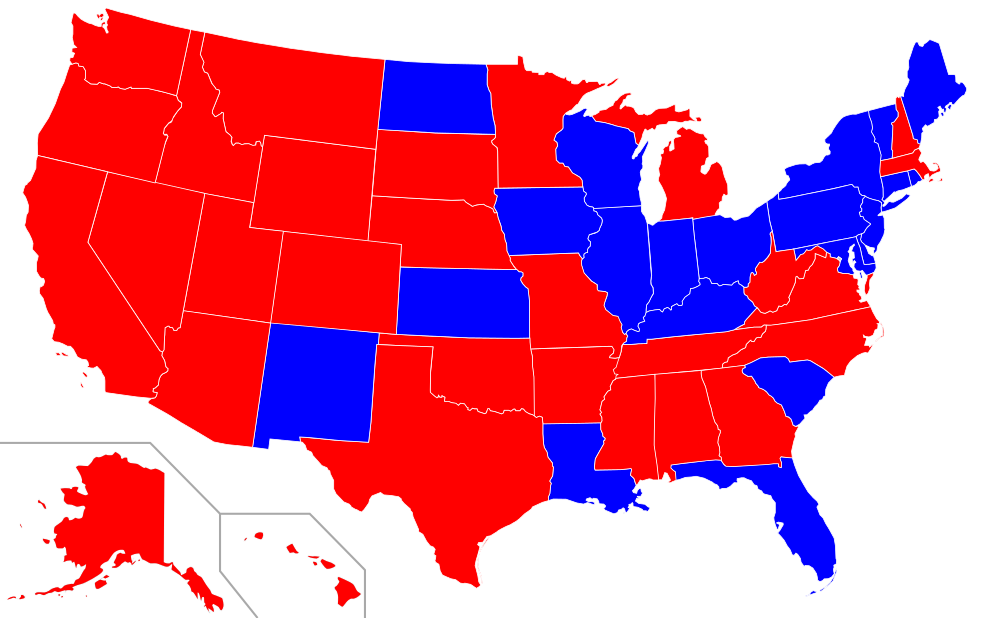
Whether your state follows lien theory or title theory decides one thing: who holds legal title to the property while the loan is outstanding. It is a quiet distinction most borrowers never hear about, and it shapes how your closing is documented and what happens if the loan ever goes bad.
Lien theory, title theory and the intermediate approach
In title theory states, legal title is held by the lender — or, far more commonly, by a neutral third party acting as trustee under a deed of trust — until the final payment is made. The borrower keeps equitable title and full possession and use of the property throughout. Once the loan is paid off, title is reconveyed to the borrower.
In lien theory states, the borrower holds title to the property and grants the lender a security interest, or lien, against it. If the property is sold, the borrower pays off and releases the lien, and the title company handles that process.
A third group follows an intermediate (sometimes called intermediary) approach: the borrower holds title during the life of the loan, as in a lien theory state, but on default the lender’s title interest attaches — the lender still has to complete the state’s foreclosure process, which is often a non-judicial trustee sale rather than a court case.

Lien theory and title theory states
The table below is an overview. Several states are marked contested because reputable references place them in different categories, and you will find confident but conflicting answers elsewhere.
| State | Classification |
|---|---|
| Alabama | Intermediate |
| Alaska | Title theory |
| Arizona | Title theory |
| Arkansas | Contested — commonly treated as title theory |
| California | Contested — commonly treated as lien theory |
| Colorado | Title theory |
| Connecticut | Lien theory |
| Delaware | Lien theory |
| District of Columbia | Title theory |
| Florida | Lien theory |
| Georgia | Title theory |
| Hawaii | Intermediate |
| Idaho | Title theory |
| Illinois | Lien theory |
| Indiana | Lien theory |
| Iowa | Lien theory |
| Kansas | Lien theory |
| Kentucky | Lien theory |
| Louisiana | Lien theory |
| Maine | Lien theory |
| Maryland | Intermediate |
| Massachusetts | Intermediate |
| Michigan | Intermediate |
| Minnesota | Intermediate |
| Mississippi | Title theory |
| Missouri | Title theory |
| Montana | Intermediate |
| Nebraska | Title theory |
| Nevada | Title theory |
| New Hampshire | Intermediate |
| New Jersey | Lien theory |
| New Mexico | Lien theory |
| New York | Lien theory |
| North Carolina | Title theory |
| North Dakota | Lien theory |
| Ohio | Contested — commonly treated as title theory |
| Oklahoma | Intermediate |
| Oregon | Title theory |
| Pennsylvania | Contested — commonly treated as title theory |
| Rhode Island | Intermediate |
| South Carolina | Lien theory |
| South Dakota | Title theory |
| Tennessee | Title theory |
| Texas | Title theory |
| Utah | Contested — commonly treated as title theory |
| Vermont | Intermediate |
| Virginia | Title theory |
| Washington | Title theory |
| West Virginia | Title theory |
| Wisconsin | Lien theory |
| Wyoming | Title theory |
Classification is not codified anywhere as a single national list, and published sources disagree at the edges. Treat the table as orientation, not as a legal opinion, and confirm with your closing attorney or title company for any transaction that turns on it.

Why foreclosure does not simply follow from the label
It is tempting to assume title theory means a fast trustee sale and lien theory means a court case. The tendency is real — where a trustee holds a power of sale, foreclosure is usually non-judicial and comparatively short, and where the lender holds only a lien, it more often has to go to court. But the label does not decide it.
California is the clearest example. It is commonly treated as a lien theory state, yet nearly every California loan is written on a deed of trust carrying a power-of-sale clause, and foreclosure there is overwhelmingly non-judicial. What actually governs the process is the instrument and the statute, not the theory label.
Three separate questions sit behind all of this: who holds title during the loan (lien, title or intermediate theory), which instrument secures it (a mortgage or a deed of trust), and how foreclosure proceeds (judicially or non-judicially). They correlate. They are not the same question, and they do not always line up.
Security instruments and foreclosure by state
States vary in the security instruments they commonly use: a deed of trust and a power of sale are the norm in some states, while a mortgage foreclosed through the courts is standard in others. That split is closely related to lien and title theory but not identical to it, which is why the table may not match what you expect in every state.
Wondering how this plays out on your own closing?
Whether you’re buying in a lien theory or title theory state changes how title is held and how foreclosure works, but it doesn’t change what you need from your lender. If you’re getting started on a purchase or refinance in Arizona, California, Colorado or Nebraska, a Loanatik loan officer can walk you through what to expect.