
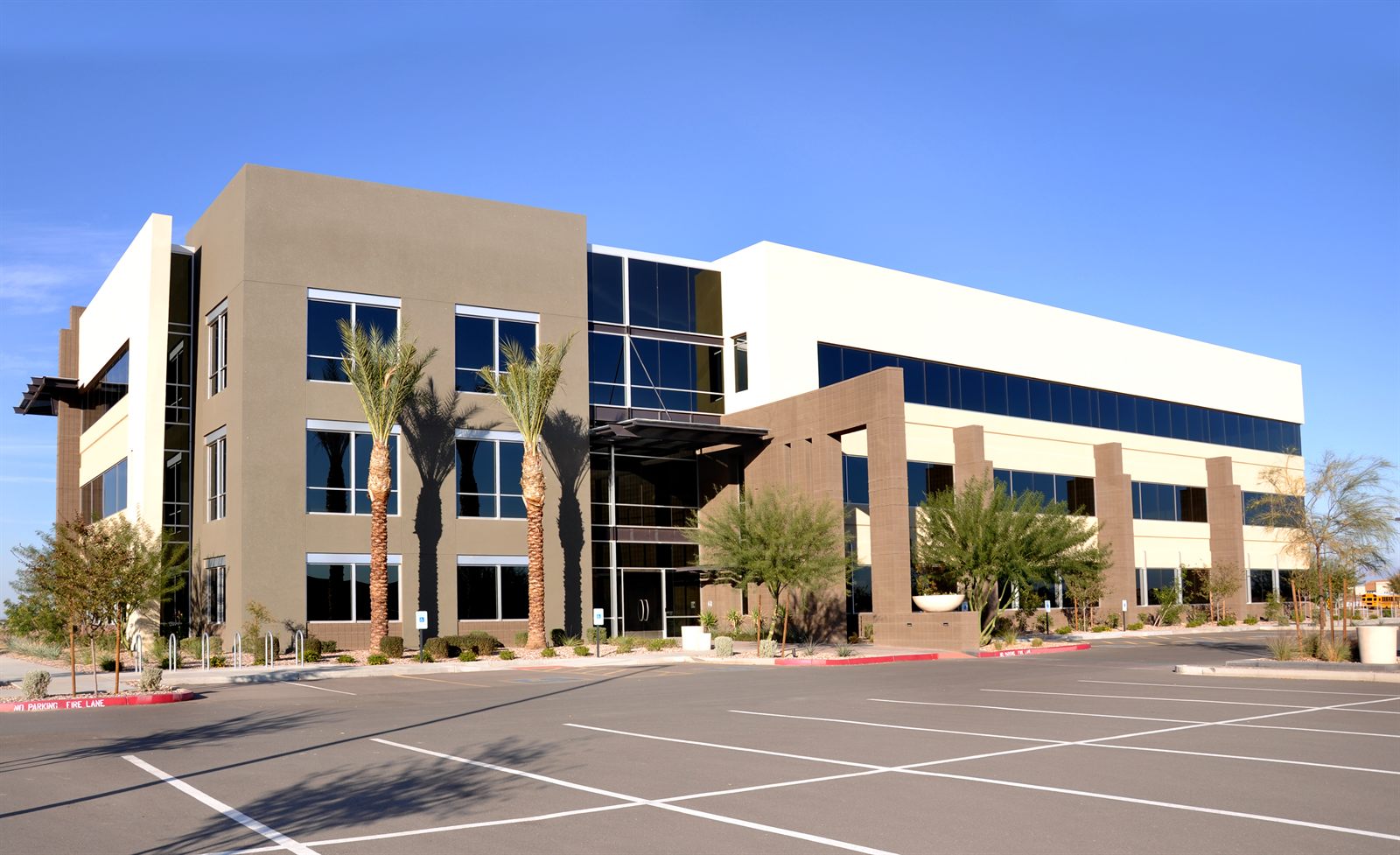
An owner-occupied commercial mortgage is financing on a building where the borrowing business actually runs its operations out of most of the space — as opposed to buying the property purely to lease out to someone else. That distinction changes almost everything about how a conventional lender looks at your file: they’re not just underwriting a piece of real estate, they’re underwriting the health of the business that’s going to make the payment. I’ve walked a lot of business owners through this, and the ones who understand that shift up front tend to have a much smoother process than the ones who show up expecting a straight real estate transaction.
Owner-Occupied vs. Investor-Owned: Why the Line Matters
Investor-owned commercial real estate gets underwritten mostly around the property itself — rent roll, lease terms, market vacancy, the debt-service coverage the asset can produce on its own. This kind of owner-occupied financing flips that emphasis. If your company occupies the majority of the building, the lender cares a great deal about your company’s revenue, margins, and history — because if the business struggles, there’s no outside tenant paying rent to fall back on. Most conventional lenders use something close to a majority-occupancy threshold to decide which bucket a file falls into, though where exactly that line sits, and how strictly it’s applied, varies by lender and by property type.
This matters for warehouses, flex space, and light industrial buildings especially, since a lot of those buyers occupy part of the building and lease out the rest. If you’re evaluating that kind of split-use property, it’s worth reading how we think about industrial, warehouse, and flex financing before you assume your deal fits neatly into one category or the other.
How Conventional Lenders Underwrite an Owner-Occupied Commercial Mortgage
When a conventional lender underwrites this kind of deal, they’re really looking at two files stapled together: the business and the building. On the business side, expect a look at trailing tax returns, interim financials, and often a global cash flow analysis that combines the company’s income with the owners’ personal debt obligations. On the property side, expect an appraisal, an environmental screen appropriate to the property type, and a review of how the space is actually used — because a building that’s 70% owner-occupied and 30% leased to a third party gets treated differently than one that’s fully occupied by the borrowing company.
Debt-service coverage still matters, but for an owner-occupied commercial mortgage, the coverage ratio is usually calculated using the operating business’s cash flow rather than market rent for the space — sometimes both are run side by side to stress-test the deal. Credit score, time in business, industry, and the strength of any secondary collateral all factor into the decision as well; no single number decides approval on its own.
Considering a purchase or refinance for a warehouse, flex, or light-industrial building your business will occupy? Take a look at our industrial, warehouse & flex financing options before you lock in a structure.
What Actually Decides the File
No two files like this get built the same way, but in my experience the deals that move cleanly tend to have a similar set of things going for them. Here’s what I ask about early:
- Occupancy mix — how much of the square footage the business actually uses versus leases out, and whether that’s likely to change.
- Business cash flow trend — lenders want to see a pattern, not just one strong year, and they’ll ask why a weak year happened if there is one.
- Time in business and industry — a manufacturer with fifteen years of history reads differently than a company two years past startup, even with similar revenue.
- Collateral position — how much equity is going into the purchase, and whether there’s other collateral available to strengthen the request.
- Personal credit and liquidity of the owners — since most owner-occupied commercial loans carry a personal guarantee, the owners’ credit and reserves get pulled into the picture too.
None of these factors works in isolation. A thin cash-flow year doesn’t automatically sink a deal, and strong credit alone doesn’t automatically clear one either — they’re weighed together, and the mix that gets one file approved won’t be identical to the mix that gets the next one approved.
Example: A Warehouse Purchase, Two Ways
Say a Phoenix-based distribution company wants to buy a 20,000-square-foot warehouse. If the company plans to occupy 15,000 square feet and lease the remaining 5,000 to an unrelated tenant, that’s likely still treated as an owner-occupied commercial mortgage, with the leased portion factored in as supplemental income rather than the primary basis for approval. Compare that to a scenario where the same company instead buys the building purely to lease the whole thing out to another business — now the underwriting shifts almost entirely to the strength of that lease and the tenant’s credit, closer to a straight investor-owned commercial deal. Same city, same building type, very different underwriting conversation.
When SBA Might Be a Better Fit
If your business is smaller, newer, or would need to put down less equity than a conventional lender typically requires, an SBA-backed structure might fit better than a straight owner-occupied commercial loan — that’s a separate program with its own occupancy rules and structure, which we cover in detail on our SBA 504 & 7(a) loan page.
Bridging the Gap Before Permanent Financing
Sometimes the timing doesn’t line up — you need to close on a building before permanent owner-occupied financing terms are finalized, or you’re waiting on a lease-up or a renovation to stabilize the property first. Short-term bridge financing exists for exactly that gap; if that sounds like your situation, our overview of how bridge loans work walks through the common use cases and trade-offs. Investor-owned buyers weighing the same building against a straight rental strategy might also want to compare notes with our investment property loan options before deciding which path fits.
FAQ: Owner-Occupied Financing Questions
Does my business need to occupy 100% of the building?
No — most lenders will still consider it an owner-occupied commercial mortgage if your company occupies a clear majority of the space, even with a portion leased to someone else. Exactly where that line sits varies by lender, so it’s worth confirming early rather than assuming.
Is a down payment always required?
Conventional owner-occupied commercial financing generally requires meaningful equity into the deal, though the exact amount depends on the property, the industry, and the strength of the business’s financials — it’s not a fixed number across every file.
Can I refinance an existing owner-occupied building?
Yes, refinancing an owner-occupied commercial mortgage is common, whether to adjust terms, pull out equity for the business, or move off a maturing balloon note — the underwriting approach is largely the same as a purchase, with more history to review.
Commercial lending also touches on data the CFPB has started collecting from small business lenders under its small business lending data rule, which is worth knowing about if you want context on how business credit decisions are documented industry-wide.
Thinking about your next move? Get a fast, no-pressure look at your options with a licensed Loanatik officer. Start here →
This article is general education, not financial advice or a commitment to lend. Loan programs, terms, and availability are subject to credit approval and may change. Loanatik LLC is an Equal Housing Lender. See our licensing & disclosures.