
Newsweek recently flagged Texas as a potential flashpoint for a broader housing downturn, pointing to years of aggressive homebuilding in metros like Austin, Dallas, and San Antonio that outpaced buyer demand once rates climbed. Prices in parts of Texas have already softened noticeably. I don’t lend in Texas, but I do pay attention when a state’s housing market cracks — because it tells us something about supply, demand, and risk that applies everywhere, including here in Arizona, California, Colorado, and Nebraska.
What actually happened in Texas
Builders in Texas ramped up construction hard during the pandemic boom, betting on continued in-migration. Then rates rose, affordability got squeezed, and inventory kept piling up anyway because projects already in the pipeline had to get finished. The result: more homes for sale than buyers willing (or able) to pay pandemic-era prices. That’s a classic oversupply correction driving this housing downturn, not a 2008-style credit collapse — worth remembering before anyone panics. FHFA’s House Price Index data shows how these regional corrections play out differently across markets.

Does This Housing Downturn Mean Our Markets Are Next?
Not automatically, and the differences matter. Here’s how I’d size up the four states we actually lend in:
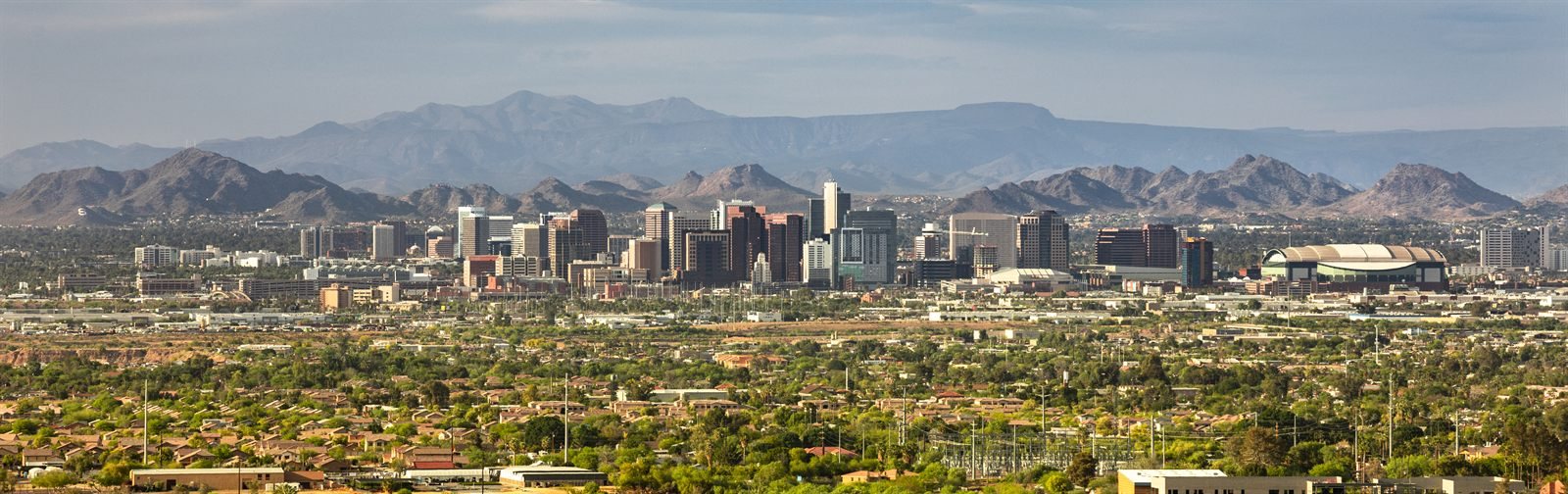
- Arizona: Phoenix and its suburbs saw similar builder enthusiasm, and new-construction inventory in places like Buckeye and Queen Creek has been elevated. It’s the state on this list I’d watch most closely for Texas-style softening at the entry-level and new-build segment.
- California: Supply constraints (zoning, land, insurance availability) are structurally different from Texas. Prices can still stall or dip, but a Texas-style oversupply glut is less likely in coastal metros — Sacramento and the Inland Empire are the closer comparisons.
- Colorado: Denver has cooled from its 2021-2022 highs and inventory has crept up, but nothing near Texas-level overbuilding. It’s a more balanced, patient market right now.
- Nebraska: Omaha has stayed comparatively steady — less speculative building, less volatility. It’s usually the tortoise, not the hare, in national housing cycles.
What this means if you’re buying right now
This regional housing downturn elsewhere doesn’t hand you a discount here, but it does change your negotiating posture in local pockets with rising inventory — think new-build communities in the Phoenix suburbs or certain Denver-metro submarkets where builders are offering rate buydowns or closing-cost credits to move product. My advice: ask every builder or seller what incentives are on the table before you assume the list price is the real price. And don’t stretch to the top of your pre-approval just because a lender says you qualify — qualify and comfortable are two different things.
Get a real read on your numbers before you shop, not after you fall in love with a house. You can get pre-approved in a way that reflects your actual budget, not just the maximum the math allows.

What this means if you already own
If you’re sitting on a mortgage from 2021 or 2022 with a rate well below today’s market, a national or regional housing downturn isn’t a reason to panic-sell — it’s mostly noise for you unless you’re planning to move soon. What I do want owners in Arizona and Colorado especially to watch is local new-construction competition: if builders near you are discounting aggressively to clear inventory, that can put a soft ceiling on your resale value for a while, even if your own home is in great shape.
If you’re carrying higher-rate debt — a HELOC, an adjustable rate that’s about to reset, or you took your first mortgage at the peak of rates — this is a good moment to run the numbers on a refinance rather than assume it doesn’t pencil out. Sometimes it doesn’t, and I’ll tell you that straight if the math says wait. But rate environments shift, and a five-minute look costs you nothing.
A quick example
Say a buyer in Buckeye, Arizona is choosing between a resale home listed at $450,000 and a comparable new-build home from a builder offering a temporary rate buydown plus $10,000 toward closing costs. The sticker price might look similar, but the effective monthly payment and cash-to-close can differ substantially. This is exactly the kind of scenario where running actual scenarios — not just comparing list prices — tells you which option is genuinely cheaper over the first two to three years you’ll likely hold the loan.

What I’d actually do right now
- If you’re house hunting in a fast-growing suburb, ask directly about builder incentives and recent price reductions on comparable homes — don’t assume the asking price is firm.
- If you’re an owner with a rate above today’s market, get a refinance scenario run rather than guessing based on headlines.
- Don’t extrapolate one state’s housing downturn onto your local market without checking local inventory and days-on-market data first — Phoenix, Denver, Sacramento, and Omaha are all telling different stories right now.
- Keep your debt-to-income and reserves healthy regardless of what the market does — that’s what protects you in any cycle, boom or slowdown.
FAQ
Is a Texas-style downturn likely in Arizona?
Phoenix has more overbuilding risk than Denver, Sacramento, or Omaha, largely because of the sheer volume of new construction over the past few years. It’s worth watching, but it’s not identical to Texas — Arizona’s population growth has stayed stronger.
Should I wait to buy until prices drop further?
Timing a bottom is genuinely hard, even for people who do this full time. I’d rather see a buyer purchase a home they can comfortably afford today than gamble on a dip that may or may not arrive in their target neighborhood.
Does this affect investment property or DSCR loans?
It can — rental demand and price appreciation assumptions shift with local supply. If you’re evaluating an investment purchase anywhere in the country, it’s worth stress-testing your cash flow assumptions against a slower-appreciation scenario, not just the best-case one.
Wondering how builder incentives, local inventory, and your comfortable monthly payment fit together in the neighborhood you’re considering? Talk to us about a purchase mortgage before you make an offer, so you can compare the real payment and cash-to-close rather than relying on the list price alone.
This article is general education, not financial advice or a commitment to lend. Loan programs, terms, and availability are subject to credit approval and may change. Loanatik LLC is an Equal Housing Lender. See our licensing & disclosures.