

A home appraisal is an independent, third-party estimate of what your property is actually worth. Many mortgage transactions require one before closing, although some loans may be eligible for an appraisal waiver or another permitted valuation method. It’s not the same as a home inspection. In my experience, this is the step in the transaction that catches first-time buyers off guard, mostly because they don’t understand what the appraiser is looking at or what happens if the number comes back lower than the purchase price. Here’s the home appraisal process from start to finish, plus what I tell clients in Phoenix, Denver, Sacramento, and Omaha when their appraisal doesn’t match expectations.
Why Lenders Require an Appraisal
Your lender isn’t just loaning money to you — they’re loaning money against the house. If you ever stopped making payments, the property is the collateral that backs the loan. An appraisal protects the lender from lending more than a home is actually worth, and honestly, it protects you too. Nobody wants to overpay for a house by $40,000 and find that out the hard way when they try to sell or refinance three years later.
This is true whether you’re putting 20% down or 3%, and it applies whether you’re buying in Scottsdale or a smaller Nebraska town. The appraisal is ordered after you’re under contract, once you’ve locked in a lender and moved forward with your purchase loan.

Who Orders It and Who Picks the Appraiser
Here’s something a lot of buyers don’t realize: your loan officer doesn’t pick the appraiser, and neither do you. Appraiser-independence rules prohibit parties with an interest in the transaction from improperly influencing the appraisal. Your lender may obtain the appraisal through an appraisal management company or directly from a qualified appraiser, subject to those independence requirements. Neither you nor your loan officer can choose an appraiser to reach a desired value.
Typically:
- The lender orders the appraisal within a day or two of your contract being accepted
- The buyer pays for it upfront, usually a few hundred dollars, though the exact fee varies by property type and location
- The appraiser contacts the listing agent or seller to schedule the visit
- The report is typically completed and delivered to the lender within a week to ten days
What Happens During the Home Appraisal Process
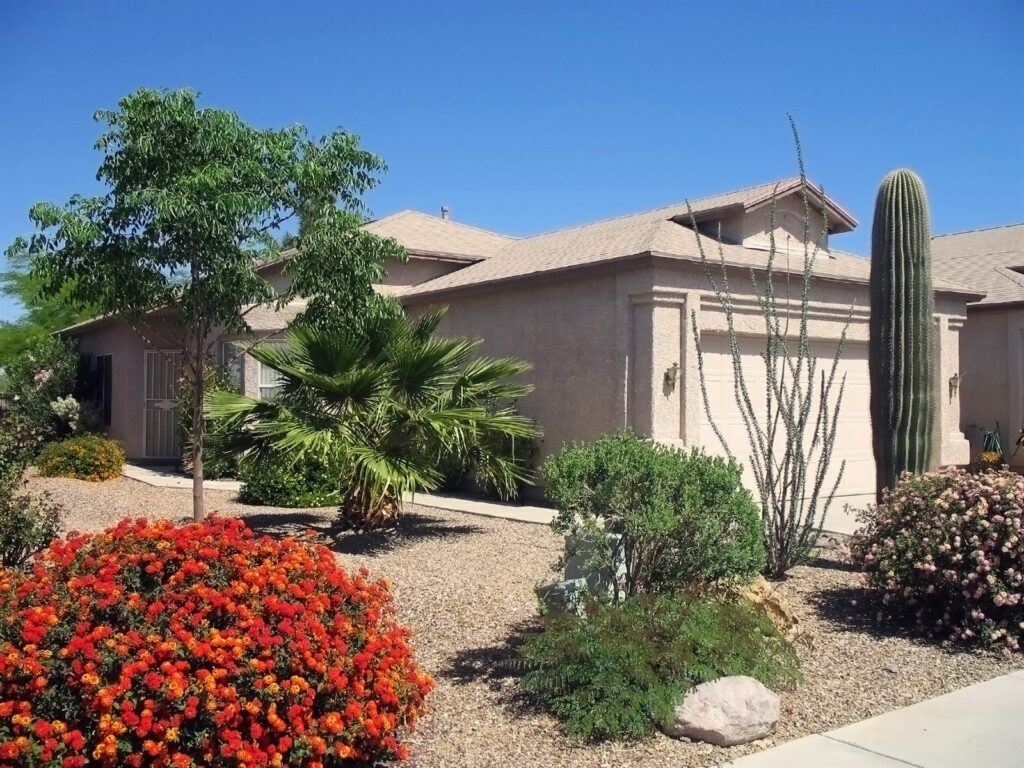
The appraiser walks the property, takes photos, measures square footage, and notes the condition of the roof, HVAC, foundation, and major systems. They’re checking for safety and habitability issues too — exposed wiring, missing handrails, a water heater in a closet without proper venting, that kind of thing. In Arizona, they’ll also note things like pool condition and any obvious deferred maintenance that shows up more starkly under desert sun.
After the walk-through, the appraiser pulls comparable sales — “comps” — of similar homes that sold recently nearby. This is where local market knowledge matters. A ranch home in a Denver suburb doesn’t compare well to a newer build a mile away in a different school district, even if the square footage is close. The appraiser adjusts for differences: lot size, upgrades, garage spaces, age of the roof, and so on, then lands on a final opinion of value.
What Appraisers Are Not Doing
They’re not doing a full home inspection — they won’t test every outlet or run the dishwasher. And they’re not setting the sale price; they’re confirming whether the agreed-upon price is supported by the market. Those are two different jobs, and mixing them up is a common source of confusion.

What Happens on a Low Appraisal
This is the scenario in the home appraisal process that causes the most stress, so let’s walk through it plainly. Say you’re under contract for $450,000 and the appraisal comes back at $430,000. Your lender can only base the loan amount on the lower of the purchase price or the appraised value — not the contract price you agreed to. That can mean you need additional cash to keep the original price, but the amount depends on your loan program and loan-to-value limit — not necessarily the full $20,000 gap. There are also a few other paths forward:
- You may bring additional cash. If you have the funds, you may be able to cover the additional amount needed to close at the original price.
- The seller lowers the price to match the appraised value — common in a buyer’s market, less common when inventory is tight.
- You split the difference through renegotiation, which happens more often than people expect.
- You challenge the appraisal. If you or your agent spot comps the appraiser missed, or an error in square footage or condition notes, you can request a reconsideration of value. It doesn’t always work, but it’s worth pursuing if you have solid evidence.
- The deal falls through, which is exactly why I always recommend keeping an appraisal contingency in your purchase contract when the market allows it.
In my experience, low appraisals show up more often in fast-moving markets where buyers are bidding above list price to win a home — think parts of Phoenix or the Denver metro during a competitive stretch. It’s less common in steadier markets like much of Nebraska, where prices tend to track more closely with recent sales.
How to Prepare Before the Appraiser Arrives
You can’t control the outcome of the home appraisal process, but you can make sure the appraiser has accurate information. If you or your agent know of recent upgrades — a new roof, updated HVAC, finished basement — put together a simple list with dates and costs. Clean up obvious clutter so rooms measure and photograph clearly. And make sure the home is accessible; a locked shed or blocked attic access can delay the report.
Before you even get to this stage of the home appraisal process, it helps to get pre-approved so your lender has already reviewed your file and can move quickly once the appraisal comes back — whether that means clearing you to close or working through a value gap.
FAQ
How long does the home appraisal process take?
Typically one to two weeks from the time it’s ordered to when the lender receives the final report, though timing can shift based on the appraiser’s schedule and property complexity.
Can I use my own appraiser?
No — neither you nor your loan officer can choose the appraiser. Your lender may obtain the appraisal through an appraisal management company or directly from a qualified appraiser, subject to appraiser-independence requirements.
Does a high appraisal help me?
It can. If the home appraises for more than the purchase price, it may support a stronger equity position from day one, though your loan amount is still based on the purchase price, not the higher value. You can run the numbers to see how that plays out for your specific loan.
What could a low appraisal mean for your down payment or options under your contract? Talk to us about purchase financing before you get too far into negotiations, so you can understand how the appraised value fits into your purchase in Arizona, California, Colorado, or Nebraska.
This article is general education, not financial advice or a commitment to lend. Loan programs, terms, and availability are subject to credit approval and may change. Loanatik LLC is an Equal Housing Lender. See our licensing & disclosures.