

If you’ve served, VA home loans are one of the most valuable mortgage benefits available to those who have served, and I don’t say that lightly after twenty-some years of doing this. Zero down payment, no monthly mortgage insurance, and terms that can be competitive with other financing options depending on the borrower, lender, and market. I work with veterans and active-duty families all over Arizona, California, Colorado, and Nebraska, and I still see people leave this benefit on the table because they think it’s complicated, slow, or only for first-time buyers. None of those are inherent to the program, though timelines and requirements do vary by lender. Let’s walk through how it actually works.
What Makes VA Home Loans Different
A VA loan is a mortgage guaranteed by the Department of Veterans Affairs and originated by an approved lender like Loanatik. The VA doesn’t lend the money directly — we do — but the government’s guarantee is what lets us offer terms that would otherwise be unheard of for a low or no-down-payment loan.
- No down payment required in most cases, even on homes in pricier markets like Scottsdale or coastal California.
- No private mortgage insurance (PMI) — this alone can save a family a few hundred dollars a month compared to a conventional low-down-payment loan.
- Flexible credit standards compared to conventional financing, though lenders still set their own minimum requirements.
- Limits on certain closing costs the VA allows a veteran to pay, which can mean a seller or lender credit covers more of your out-of-pocket expense.
That combination — no down payment and no PMI — is genuinely rare in mortgage lending. It’s not a gimmick; it’s a benefit you earned.

Who’s Eligible
Eligibility for VA home loans comes down to service history and discharge status, not just current military status. Generally, you may qualify if you’re:
- An active-duty service member with a minimum period of service.
- A veteran who meets length-of-service requirements and was discharged under conditions other than dishonorable.
- A member of the National Guard or Reserves with qualifying service.
- An eligible surviving spouse of a service member who died in the line of duty or from a service-connected disability.
The exact service requirements vary depending on when and how you served, so the real first step is getting your Certificate of Eligibility (COE). We can usually pull this for you in minutes through the VA’s system once we have your basic service information — you don’t need to track it down yourself before talking to us.
Understanding Entitlement (This Trips People Up)
“Entitlement” is the dollar amount of your loan the VA guarantees, and it’s the piece of this program that confuses even repeat VA borrowers. Here’s the plain-English version I give clients in my office:
Most eligible veterans have what’s called full entitlement, meaning VA does not impose a county loan limit or a down-payment requirement based on loan size. You still must meet lender underwriting requirements, and if the VA appraisal comes in below the purchase price, you may need to renegotiate, bring cash for the difference, or use another permitted solution. If you’ve used VA entitlement before — say, on a home you still own or one that was foreclosed on — you may have partial entitlement remaining, which can affect how much you can borrow with zero down on a subsequent purchase.
This matters a lot in a state like California, where home prices in places like Sacramento or the Bay Area can push loan amounts higher than what remaining partial entitlement covers without some down payment. In Nebraska or in parts of Colorado outside metro Denver, this is far less often an issue because home prices are lower relative to entitlement amounts. Either way, it’s worth having a lender actually run your specific entitlement numbers rather than guessing.

The VA Funding Fee — What It Is and Who’s Exempt
Because there’s no monthly mortgage insurance, the VA charges a one-time funding fee on most loans, which helps keep the program funded for future veterans. The fee amount depends on:
- Whether it’s your first use or a subsequent use of the VA benefit.
- Your down payment amount, if any (putting even a little down reduces the fee).
- Whether it’s a purchase, cash-out refinance, or Interest Rate Reduction Refinance Loan (IRRRL).
Veterans receiving VA disability compensation may be exempt from the funding fee. Exemptions can also apply to veterans who would receive disability compensation but receive retirement or active-duty pay instead, certain veterans with a pre-discharge disability rating, active-duty Purple Heart recipients, and eligible surviving spouses receiving Dependency and Indemnity Compensation (DIC). Your Certificate of Eligibility states whether the VA has you recorded as exempt, so check it rather than assuming. If a disability claim is still pending when you close, the fee is generally collected at closing and refunded once the rating is granted — but you have to pursue the refund, so raise it with your lender before closing rather than after. The fee can be paid in cash at closing or rolled into the loan balance, which most of my clients choose to do since it keeps upfront costs at or near zero.
Occupancy and Property Rules
VA loans are for primary residences — this isn’t a program for investment properties or vacation homes. You’ll need to certify you intend to occupy the home, typically within 60 days of closing. The property also has to meet VA minimum property requirements, which focus on safety, soundness, and sanitation rather than cosmetic condition. In my experience, most move-in-ready homes in Denver suburbs or Phoenix-area subdivisions clear this without issue; older homes with deferred maintenance sometimes need repairs identified during appraisal before we can close.
A Quick Example
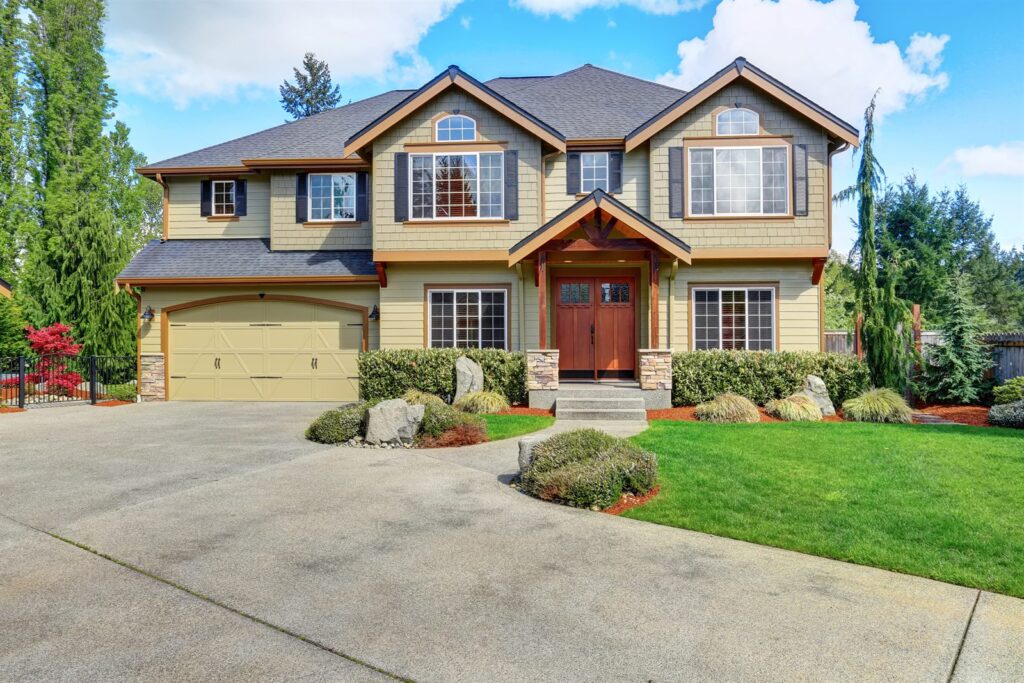
This is exactly the kind of scenario VA home loans are built for: say a veteran in Colorado Springs is eligible for full entitlement and wants to buy a $450,000 home with zero down. Assuming solid credit and manageable debt ratios, that veteran could finance the full purchase price, pay a one-time funding fee (rolled into the loan), and skip PMI entirely — something a conventional low-down-payment buyer simply can’t do. That’s the difference this benefit makes in real dollars every month.
How to Get Started
The process looks a lot like any other mortgage: we verify your COE, review income and credit, and get you a pre-approval letter so you can shop with confidence. Where it differs is in the details — entitlement calculations, funding fee exemptions, and appraisal requirements — and that’s exactly where working with a lender who handles VA loans regularly, rather than occasionally, makes a real difference. Loanatik originates VA home loans throughout Arizona, California, Colorado, and Nebraska, and I’d rather spend twenty minutes with you up front clarifying your entitlement than have surprises show up at underwriting. You can also review the VA’s own home loan guaranty overview for the federal rules behind the benefit. You can get pre-approved or run the numbers on a VA payment before you even start touring homes.
FAQ
Can I use a VA loan more than once?
Yes. Many veterans use VA financing multiple times over their lives, either by restoring entitlement after selling a home or, in some cases, using remaining partial entitlement on a new purchase while keeping an existing VA loan on another property.
Do I need perfect credit for a VA loan?
No. VA guidelines are generally more flexible than conventional loans, though every loan is still subject to credit approval and lenders set their own minimum score policies.
Is the VA funding fee the same as mortgage insurance?
No — it’s a one-time fee rather than an ongoing monthly cost, and certain disabled veterans and surviving spouses are exempt from it altogether.
Wondering how your Certificate of Eligibility, remaining entitlement, and funding-fee status would shape a zero-down purchase? Explore our VA home loan options for Arizona, California, Colorado, and Nebraska before you make an offer, so those VA details are clear while you evaluate the property.
This article is general education, not financial advice or a commitment to lend. Loan programs, terms, and availability are subject to credit approval and may change. Loanatik LLC is an Equal Housing Lender. See our licensing & disclosures.