
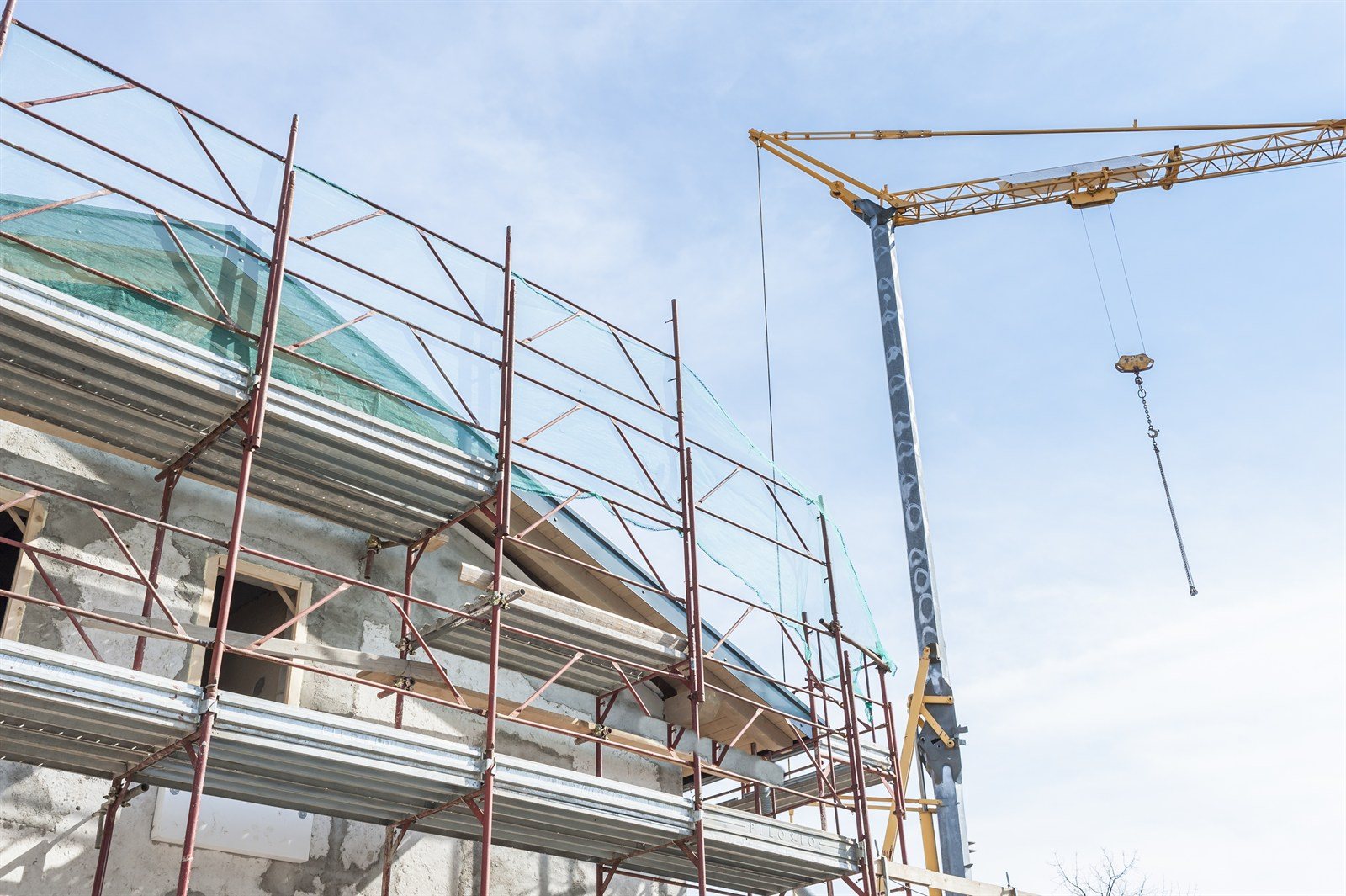
The 203k rehab loan process is more paperwork-heavy and more sequenced than a regular FHA purchase — you’re not just buying a house, you’re financing a construction project the underwriter has to approve twice: once for the purchase and once for the scope of work. In my experience, borrowers who go in expecting a normal 30-day close get frustrated. Borrowers who understand the moving pieces up front — contractor bids, draw inspections, a HUD consultant on Standard deals — tend to have a much smoother experience and end up genuinely happy with the finished house.
The 203k Rehab Loan Process, Step by Step
If you’ve already read our piece comparing Standard vs. Limited 203k and picked your lane, here’s what actually happens after you’re under contract:
- You (or your contractor) submit a detailed scope of work and line-item bids for every repair.
- The lender orders an “as-improved” appraisal — the appraiser values the home based on what it will be worth after the work is done, not on the condition it’s in before construction starts.
- On Standard 203k loans, a HUD-approved consultant reviews the plans, inspects the property, and signs off on the work write-up before closing.
- Underwriting approves both the borrower and the construction budget, including a contingency reserve most lenders require (typically around 10-20% of the repair cost).
- At closing, the repair funds go into an escrow account — not to you, and not all at once to the contractor.
- Your contractor gets paid in draws as work is completed and verified.
That escrow-and-draw structure is the part that trips people up. It’s also the part that protects you — the lender isn’t going to release a final draw for a kitchen that isn’t actually finished, which matters if you’ve ever heard a horror story about a contractor taking a deposit and disappearing.
Standard vs. Limited Changes the Whole Timeline
The 203k program splits into two tracks, and which one you’re in changes almost everything downstream. Limited 203k caps repairs (commonly around $75,000, though program limits are adjusted periodically, so it’s worth confirming the applicable figures with your loan officer) and skips the formal HUD consultant requirement, which speeds things up. Standard 203k has no HUD consultant on Limited but does require one, plus architectural exhibits for larger structural work, and it moves slower because more parties have to sign off before you close. If your project is cosmetic — flooring, paint, a new HVAC system — Limited is usually the better fit. If you’re moving walls, addressing foundation issues, or doing a full gut, you’re in Standard territory whether you want to be or not.
Realistic 203k Loan Timeline
A conventional purchase might close in 30 days. A 203k rehab loan process realistically runs 45-60 days to closing on a Limited project, and can stretch to 60-90 days on Standard deals with a consultant and architectural review involved. After closing, the construction phase itself typically has to wrap up within six months for Standard loans (Limited is often shorter), with draw inspections happening at agreed milestones — say, after demo, after rough mechanicals, and at final completion.
Here’s a simple example: say you’re buying a 1960s ranch in the Denver area that needs a new roof, updated electrical, and a bathroom remodel, budgeted at $45,000 in repairs. You’d likely qualify for Limited 203k, skip the consultant, and could realistically close in about 45 days, with the contractor pulling three draws over 90 days of work. Compare that to a Sacramento fixer-upper needing a room addition and load-bearing wall removal — that’s a Standard 203k with a consultant, likely a 60-75 day close, and a construction window closer to six months.
What a 203(k) Rehab Loan Actually Costs
Beyond your standard FHA closing costs and upfront/annual mortgage insurance, expect a few 203k-specific line items:
- A consultant fee on Standard loans, generally a few hundred to over a thousand dollars depending on project size.
- A supplemental origination fee, since the lender is underwriting a construction budget in addition to the mortgage.
- The required contingency reserve, which sits in escrow in case bids run over — common on older homes where you don’t know what’s behind the walls until demo starts.
- Inspection fees for each draw request during construction.
None of this is deal-breaking, but it does mean a 203k loan generally costs more upfront than financing the same house with a regular FHA loan and paying for repairs out of pocket after closing — if that’s even an option for you. For a broader look at how FHA financing works in general, our FHA loan program page covers the base guidelines this rehab option builds on.
Thinking through whether a 203k rehab loan fits your purchase? See how Loanatik’s FHA loan programs work and talk through your specific project with a loan officer before you write an offer.
Common Snags in the 203k Rehab Loan Process
Most of the delays I see aren’t about the borrower’s credit or income — they’re about the contractor and the property.
- Contractor isn’t approved in time. Not every contractor wants to deal with draw inspections and HUD paperwork. Line up your contractor and get their bid submitted early, ideally before you’re deep into your inspection contingency.
- Bids come in over budget mid-process. This is common on older housing stock in places like Omaha or Phoenix, where opening a wall reveals knob-and-tube wiring or termite damage nobody priced for. The contingency reserve helps, but a big enough overage can require re-underwriting.
- Draw requests get held up on documentation. Lenders need proof the specific work was completed to the standard in the write-up — photos and inspector sign-off matter more than a contractor’s invoice alone.
- Local permitting and inspection timelines slow the schedule. California jurisdictions with seismic retrofit requirements, or Colorado mountain-adjacent counties with wildfire-hardening rules, can add weeks that have nothing to do with your loan and everything to do with your city or county.
None of these are automatic dealbreakers, and they don’t mean the loan falls apart — but they do mean building slack into your expectations. A 203k rehab loan process that assumes zero surprises is setting you up for stress. One that assumes some (and budgets the contingency accordingly) tends to go fine.
FAQ: 203k Rehab Loan Process Questions
Can I act as my own contractor on a 203k loan?
Sometimes, on a limited basis, and typically only for cosmetic work — but most lenders require a licensed, insured contractor to be involved, and self-performing structural work is generally not allowed. Ask your loan officer about your specific project before assuming you can DIY it.
What credit score do I need for a 203k loan?
203k loans follow FHA’s general credit framework, but approval isn’t based on credit score alone — income, debt-to-income ratio, reserves, and the overall project scope all factor into the underwriter’s decision, so two borrowers with the same score can see different outcomes.
Does the house have to be uninhabitable to qualify?
No. 203k loans cover everything from minor cosmetic updates to major structural rehab; the property doesn’t need to be unlivable, it just needs a documented scope of eligible repairs and an appraisal supporting the as-improved value.
For the program’s official eligibility framework, HUD’s overview of the 203(k) Rehabilitation Mortgage Insurance Program is a good primary source alongside whatever your loan officer tells you about the applicable guidelines.
Thinking about your next move? Get a fast, no-pressure look at your options with a licensed Loanatik officer. Start here →
This article is general education, not financial advice or a commitment to lend. Loan programs, terms, and availability are subject to credit approval and may change. Loanatik LLC is an Equal Housing Lender. See our licensing & disclosures.