

A conventional rehab loan — Fannie Mae calls it HomeStyle Renovation, and Freddie Mac has its own version called CHOICERenovation — wraps your purchase price and your renovation budget into a single conventional mortgage. It’s the conventional-financing answer to the FHA 203(k), and for a lot of my borrowers in Arizona, California, Colorado, and Nebraska, it ends up being the better fit once we run the numbers. The two biggest differences: mortgage insurance rules and how picky each program is about the property’s starting condition. Let’s walk through both, honestly, including where the conventional renovation route falls short.
What a Conventional Rehab Loan Actually Is
Think of it as a standard conventional purchase (or refinance) loan with a renovation budget attached. You get approved based on the home’s after-repair value, the lender holds the renovation funds in escrow, and a licensed contractor draws against that escrow as work gets done and inspected. I’ve used this structure for clients buying a dated ranch house in Sacramento that needed a full kitchen gut, and for a Denver buyer who wanted to finish a basement before move-in. One loan, one closing, one payment — instead of a purchase loan plus a separate personal loan or credit card balance for the work.
If you want the broader mechanics of how any renovation-style loan is structured before we get into the conventional-vs-FHA comparison, our overview of rehab loan requirements is a good starting point.

Mortgage Insurance: Where Conventional Renovation Financing Usually Wins
This is the part I lead with for most clients, because it’s real money over time, not a rate quote. FHA 203(k) loans carry FHA’s mortgage insurance structure — an upfront premium financed into the loan, plus an annual premium built into your monthly payment for the life of the loan in most cases (or a long stretch of it, depending on your down payment). That doesn’t go away just because your home’s value climbs after the renovation.
A conventional rehab loan uses standard private mortgage insurance rules instead. If you put down 20% or more, there’s no monthly mortgage insurance at all. If you’re below that, you may be paying PMI. It can often be cancelled once you meet the applicable equity, seasoning, payment-history, and servicer requirements; a higher value after renovation may help, but a new appraisal alone does not guarantee cancellation. That’s a meaningful long-term difference, and it’s why I walk every client through how PMI removal actually works before they assume they’re stuck with it indefinitely.
Credit Expectations: Conventional Asks for More Upfront
Here’s the honest trade-off. FHA 203(k) loans generally accept lower credit scores than conventional renovation financing does, and FHA’s debt-to-income tolerance tends to be a bit more forgiving too. Conventional renovation programs, being Fannie Mae and Freddie Mac products, generally line up with standard conventional underwriting — stronger credit, reserves, and debt-to-income expectations than FHA typically requires.
That said, credit score is never the whole story on either program. Approval always weighs credit, income documentation, debt-to-income ratio, reserves, and the appraisal together — not any single factor in isolation. I’ve seen borrowers with solid income and reserves get approved on a conventional renovation loan with a credit profile that surprised them in a good way, and I’ve seen strong-credit borrowers still need to shore up reserves before an FHA file cleared. If your credit is still a work in progress, it’s worth reading our breakdown of FHA credit and cost expectations before deciding which door to walk through.
Property Condition: The Real Dividing Line
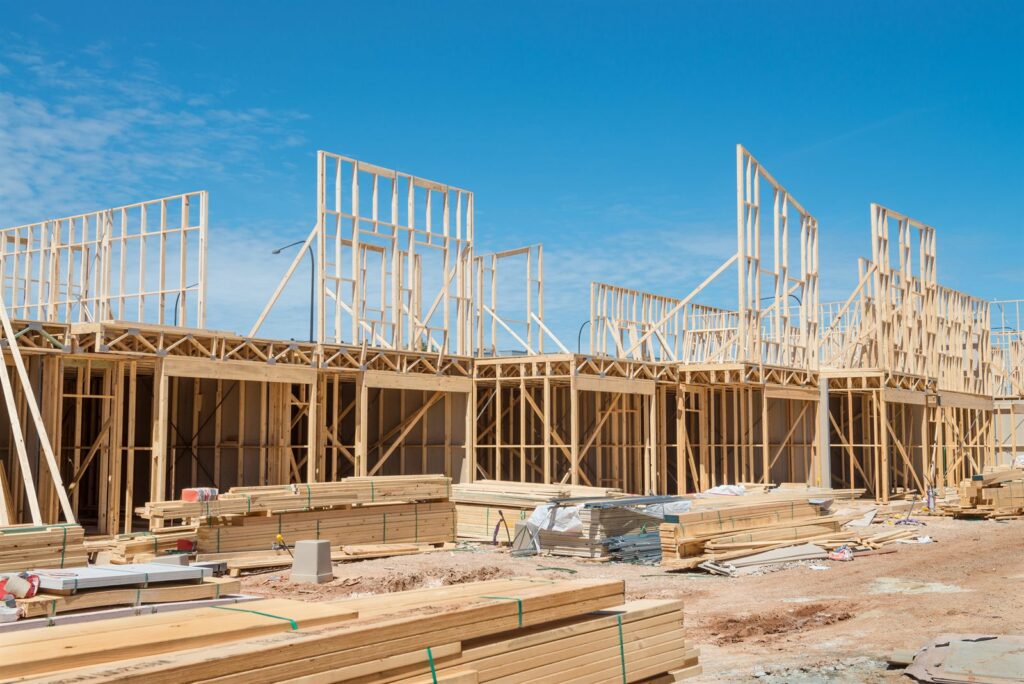
This is where I steer people the hardest, because it’s the difference that actually determines whether your project even qualifies. FHA’s 203(k) program — especially the Standard version — was built for homes that need serious structural work: foundation repair, room additions, major systems overhauls, sometimes even homes that aren’t livable as-is. A conventional renovation loan can finance structural work, but eligibility depends on the specific program, the property, the contractor scope, the completed-value appraisal, and lender requirements. FHA 203(k) Standard is also designed for substantial rehabilitation and may be a strong fit when the project is extensive or the property is not livable as-is.
Practically, that means:
- Cosmetic and moderate updates — kitchens, baths, flooring, HVAC replacement, roofing, some room reconfiguration — fit well under conventional renovation financing.
- Major structural work — foundation issues, load-bearing changes, homes with health/safety violations — usually points toward FHA 203(k) Standard instead.
- The property still has to appraise based on the completed work, under both programs, so an inflated renovation wish list won’t get funded just because you want it done.
For a side-by-side on what FHA’s program will and won’t approve, our article on what the FHA rehab loan actually allows lays it out property-condition by property-condition. HUD’s own program guidance is also public — you can review the HUD 203(k) rehabilitation mortgage insurance program page directly if you want the source material.
Thinking through a purchase-plus-renovation deal in Arizona, California, Colorado, or Nebraska? Talk to us about a purchase-plus-renovation loan before you decide which renovation path fits your project, so the financing and the scope of work are planned together.
A Quick Example
Say you’re eyeing a $380,000 house in Phoenix that needs about $60,000 in kitchen, bath, and flooring work — nothing structural. With 10% down, a conventional rehab loan lets you finance both the purchase and the renovation into one loan, based on the projected after-repair value, with PMI that’s cancellable down the road once equity builds. Run the same file through FHA 203(k) and you’d likely qualify with a bit more credit flexibility, but you’d carry FHA mortgage insurance for the long haul. Neither answer is universally “better” — it depends on your credit profile, your down payment, and how long you plan to stay in the house.
Which One Should You Actually Pick?
I generally point clients toward conventional renovation financing when their credit and reserves are solid, the renovation is cosmetic-to-moderate, and they want mortgage insurance that can eventually go away. I point them toward FHA 203(k) when the property needs real structural work, or when credit and down payment are tighter and FHA’s flexibility matters more than long-term mortgage-insurance cost. If you want the full FHA process — draws, timelines, the snags that catch people off guard — our 203(k) process and timeline guide covers it in detail. Fannie Mae also publishes its own program requirements if you want to see the HomeStyle guidelines straight from the source: Fannie Mae’s HomeStyle Renovation program overview.
FAQ
Can I use a conventional rehab loan on an investment property?
Owner-occupied purchases are the most common use, but the eligibility rules, down payment, and reserve requirements shift for non-owner-occupied properties, so talk through the specifics with your loan officer before assuming a given property qualifies.
Do I need a licensed contractor?
Yes, in nearly every case. The contractor has to be one your lender accepts and must hold whatever licence your state or locality requires; expect the lender to review their licence, insurance and often their references before signing off on the work write-up. FHA does allow limited borrower-performed work on a 203(k) where you can document both the skill and the time to do it, but it is the exception and lenders approve it sparingly — do not build a budget around it without confirming first. Renovation funds are released in draws as work is completed and inspected, never handed over as a lump sum.
Is a conventional rehab loan harder to get approved for than a regular purchase loan?
Not automatically harder, but there are more moving pieces — a renovation budget, a contractor bid, and an after-repair-value appraisal all get added to standard underwriting, and all of it factors into the final decision alongside your credit and income.
This article is general education, not financial advice or a commitment to lend. Loan programs, terms, and availability are subject to credit approval and may change. Loanatik LLC is an Equal Housing Lender. See our licensing & disclosures.