
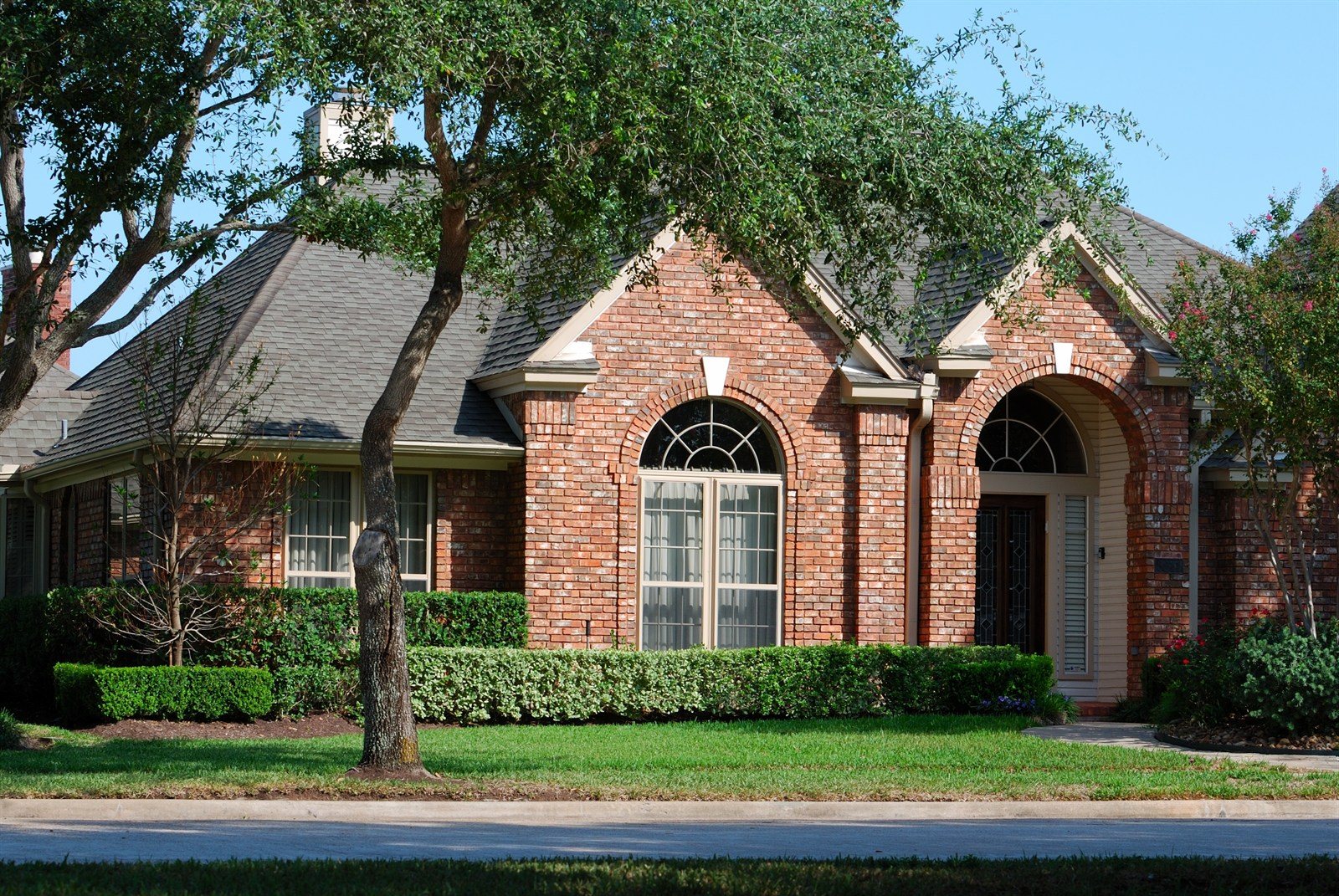
A USDA rehab loan lets an eligible buyer finance the purchase of a home and the cost of needed repairs in a single loan, using the same zero-down USDA Guaranteed Loan structure that’s made this program popular in smaller towns and outlying suburbs across Arizona, California, Colorado, and Nebraska. It’s not a separate loan product so much as a repair provision layered onto USDA’s standard purchase loan — and the property still has to sit inside USDA’s designated rural or suburban footprint. In my experience, that geography question trips people up more than the renovation part ever does.
What a USDA Rehab Loan Actually Covers
Under USDA’s Single Family Housing Guaranteed Loan Program, a borrower can finance certain repairs into the purchase loan through a repair escrow, rather than paying out of pocket or juggling a second loan. This is generally meant for work that brings a home up to safe, livable condition — not a full gut-and-flip. Think:
- Replacing a failing roof or HVAC system
- Repairing septic, well, or plumbing issues found at inspection
- Fixing electrical problems that would otherwise stall an appraisal
- Minor structural or accessibility repairs
Separately, USDA also runs a Section 504 program — a direct loan and grant option, income-restricted and generally aimed at existing very-low-income homeowners, particularly elderly borrowers, who need to repair or modernize a home they already own. That’s a different animal from the guaranteed purchase-with-repairs option most of my clients are asking about, and Loanatik works within the guaranteed loan side of this equation. In the sense most buyers mean, this program is really about combining acquisition and repair costs into one manageable payment instead of two separate obligations.
Where This Repair-and-Purchase Financing Applies — Geography Still Rules Everything
This is the part I stress with every client: USDA financing, including any rehab or repair component, only applies to properties inside USDA’s eligible rural and suburban boundaries. That’s not a soft guideline — it’s a hard eligibility line drawn by the USDA’s own maps, and it can look surprising on the ground. Plenty of towns just outside Sacramento, Phoenix, Denver, or Lincoln still qualify, while some areas that feel rural on paper have grown into ineligible metro zones. I always check USDA’s eligibility map before a client falls in love with a fixer-upper, because a great renovation candidate on an ineligible street means we’re pivoting to a different loan entirely.
Loanatik originates consumer home loans in Arizona, California, Colorado, and Nebraska only, so financing repairs into a USDA purchase through us has to satisfy both layers of eligibility: the property sits within one of those four states, and it sits within USDA’s designated rural or suburban area within that state. If you’re weighing a property near Omaha or outside Lincoln, our Nebraska home loan resources are a good place to start checking whether the surrounding area still carries USDA designation, since that changes periodically as population data updates.
Wondering if your target property and your income both fit USDA’s guidelines? See how our USDA loan program works and get a straight answer before you write an offer.
USDA Rehab Loan vs. FHA 203(k) and Conventional Rehab Options
Clients often ask me why they’d choose this USDA repair-and-purchase option over an FHA 203(k) or a conventional HomeStyle renovation loan. The honest answer: it depends on the property, the income, and the scope of work. FHA’s 203(k) program, which we break down in our explainer on Standard vs. Limited 203(k), allows more extensive renovation work and isn’t restricted to rural geography, but it comes with mortgage insurance and its own draw process. Conventional HomeStyle, covered in our guide comparing HomeStyle and FHA 203(k), offers flexibility on property type but typically asks for a down payment.
A USDA rehab loan’s advantage is the no-down-payment structure paired with repair financing — but it trades that for the location restriction and USDA’s household income caps. If your household income runs above USDA’s limits for the area, or the home needs work well beyond cosmetic or system repairs, one of the other rehab paths is usually the better fit. I’d rather walk a client through that trade-off up front than have them discover it mid-underwriting.
Qualifying for a USDA Rehab Loan
Approval isn’t decided by any single factor — credit history, debt-to-income ratio, household income relative to the area limit, and the scope of repairs are all weighed together. A strong credit score doesn’t offset an income that exceeds USDA’s area limit, and a low debt load doesn’t automatically clear a property that falls outside the eligible map. Lenders will also want a clear scope of work and contractor bids for the repair portion, since that escrow has to be justified and monitored just like any renovation draw process.
For general background on how renovation and repair financing works alongside a purchase, the Consumer Financial Protection Bureau has useful guidance on what to know before financing home repairs, which applies whether you’re going the USDA route or something else. And if you want the fuller picture of the base USDA purchase program before layering in repairs, our piece on USDA zero-down financing for rural and suburban buyers is the right starting point.
FAQ: USDA Rehab Loan Basics
Can I use this USDA repair financing for a major renovation or addition?
Generally no — the repair escrow tied to USDA’s guaranteed purchase loan is intended for repairs that address safety, livability, or appraisal-driven conditions, not large-scale remodels or additions. If your project is bigger in scope, an FHA 203(k) or conventional rehab loan is typically a better structural fit.
Does the home have to already be in rural USDA territory, or can the area change later?
Eligibility is based on the map in effect at the time of your loan application, and USDA does update these boundaries periodically as census and population data shift. A property that qualifies under one version of the map isn’t guaranteed to remain eligible indefinitely, which is one more reason to verify eligibility before writing an offer rather than assuming based on an older map.
Is this USDA repair-and-purchase financing available outside Arizona, California, Colorado, and Nebraska through Loanatik?
No — our consumer home loan programs, USDA included, are limited to those four states. If you’re financing an investment or business-purpose property outside owner-occupied rules, our investor and commercial lending options are available on a broader basis.
Thinking about your next move? Get a fast, no-pressure look at your options with a licensed Loanatik officer. Start here →
This article is general education, not financial advice or a commitment to lend. Loan programs, terms, and availability are subject to credit approval and may change. Loanatik LLC is an Equal Housing Lender. See our licensing & disclosures.