
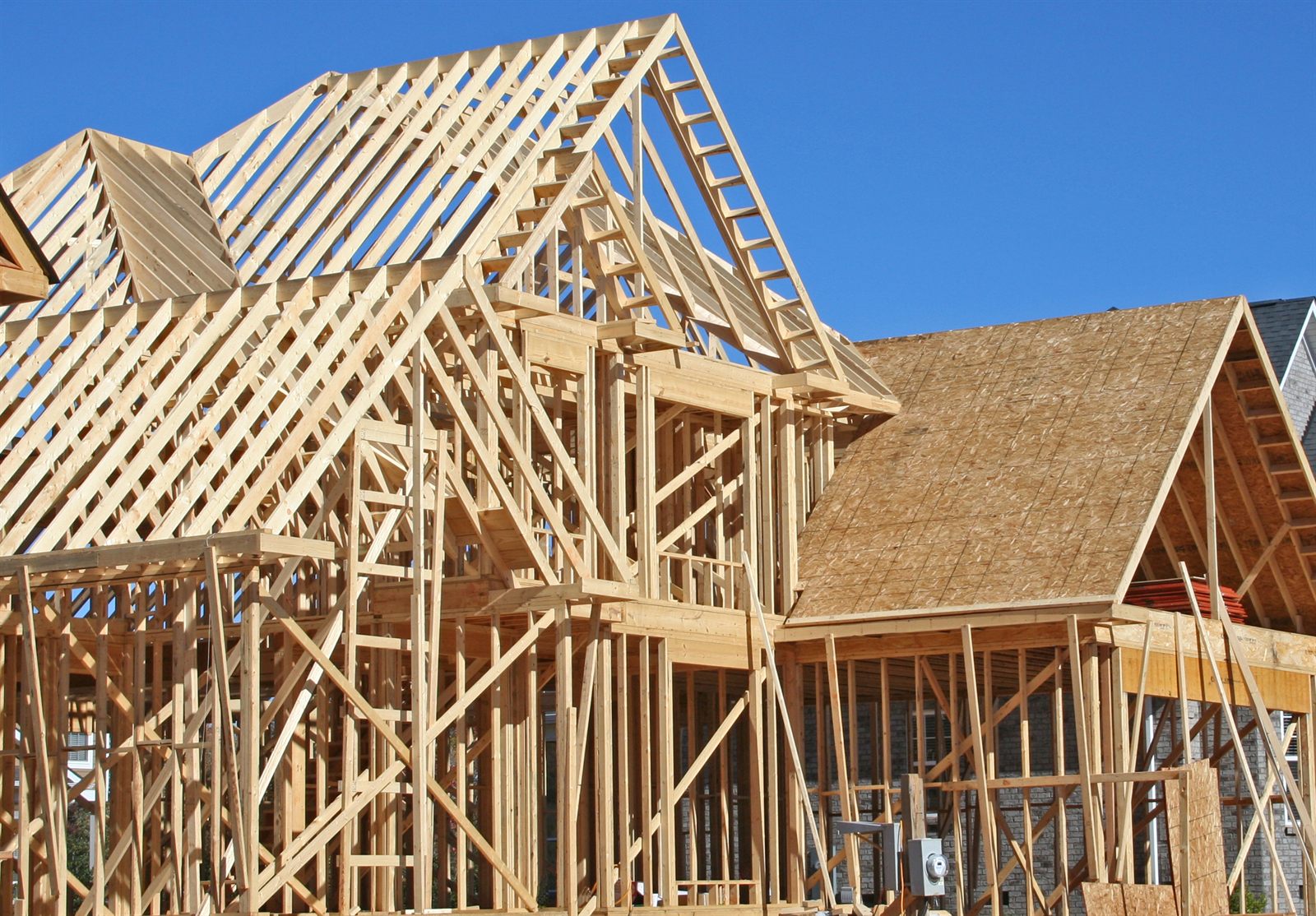
A home rehab loan rolls the cost of buying (or refinancing) a house together with the cost of fixing it up, into one mortgage with one payment. Instead of scraping together separate financing for a fixer-upper and then a second loan or a credit card to redo the kitchen, you borrow against what the home will be worth after the work is done. I use these loans more than people expect — especially in Phoenix, Sacramento, and Denver neighborhoods where the move-in-ready inventory is thin but the bones of an older home are solid. Let’s walk through how they actually work, where they beat other options, and where they don’t.
What a Home Rehab Loan Actually Covers
In my experience, most buyers picture “rehab” as a full gut job, but the programs I write most often cover a much wider range — a new roof, updated electrical, a bathroom addition, or just enough cosmetic work to make a dated 1970s ranch in Scottsdale livable again. A home rehab loan typically works one of two ways:
- Purchase + rehab: you buy the property and finance the repair budget in the same loan, closing once.
- Refinance + rehab: you already own the home and want to roll renovation costs into a new mortgage based on the improved value.
Either way, the lender bases part of the loan amount on the home’s projected value once repairs are complete — not just its as-is condition. That’s the feature that sets a rehab loan apart from a standard purchase loan, where the appraisal only reflects the home’s as-is condition, not its post-repair value.
FHA 203(k) and Conventional Renovation Loans
The two consumer paths I see most are the FHA 203(k) program and conventional renovation financing (Fannie Mae’s HomeStyle Renovation is the common version). Both let you finance a home rehab loan with a single closing, but they differ in credit flexibility and how much work they’ll allow:
- FHA 203(k): lower minimum credit thresholds and more forgiving debt-to-income treatment, similar to what you’ll find across our broader FHA loan requirements guidance — structural work, additions, and even full teardown-rebuilds are possible under the “standard” version, while the “limited” version caps the repair budget for lighter cosmetic projects.
- Conventional (HomeStyle-style): generally wants a stronger credit and reserves picture, but comes without FHA’s ongoing mortgage insurance structure, and can be used on second homes and certain investment properties in ways FHA can’t.
Both require a licensed contractor, a detailed scope of work, and — for larger projects — a HUD-approved consultant overseeing draws. HUD publishes the official program rules if you want the source document: HUD’s 203(k) rehabilitation mortgage insurance program. Neither program is “quick cash for repairs” — underwriting still reviews your income, credit, and the contractor’s bid the same way a standard purchase does, just with an extra layer for the construction piece.
Rehab Loan vs. Hard Money: Which Fits a Homeowner?
This is where I steer a lot of people away from a mistake. Hard money and private lending are built for investors who need speed and are comfortable with shorter terms and higher carrying costs — that’s genuinely the right tool if you’re flipping a property in 90 days, and we cover that world in our piece on what a hard money loan actually is. But if you’re buying a primary residence in Tucson or Longmont and plan to live there for years, a consumer home rehab loan is almost always the better business fit: long-term fixed or adjustable rates instead of short-term interest-only pricing, and underwriting built around your paycheck rather than an exit strategy. If you’re weighing the two paths seriously, our guide on evaluating hard money lenders before you borrow lays out the trade-offs even if you ultimately land on a conventional or FHA rehab product instead.
Buying a fixer-upper and want to see whether the numbers work with the work rolled in? Start with our purchase loan options and we’ll walk through whether a rehab loan or a straightforward purchase fits your project better.
How the Draws and Inspections Actually Work
Here’s what surprises first-timers most: you don’t get the rehab funds as a lump sum at closing. Say you’re financing a home rehab loan with a $60,000 repair budget. A typical flow looks like this:
- Loan closes; the purchase price is paid, and the $60,000 goes into a holdback account.
- Contractor completes an agreed phase of work — say, the roof and electrical.
- An inspector confirms the work is done to scope.
- The lender releases that draw to the contractor, and the next phase begins.
This protects you as much as the lender — nobody wants to hand a contractor $60,000 up front and hope for the best. It does mean the timeline is a little slower than a standard purchase, so budget extra weeks if the project is extensive.
Where This Fits Across AZ, CA, CO & NE
Rehab lending tends to shine hardest in markets with a lot of older housing stock relative to new construction. Sacramento and parts of Los Angeles have plenty of mid-century homes that need updated systems; older Denver neighborhoods like Berkeley or Barnum have similar bones; and in Omaha and Lincoln, older bungalow-style homes are often priced to reflect the work they need. A home rehab loan lets a buyer compete for that kind of house without needing separate cash for renovation on top of a down payment — worth comparing against what first-time buyer programs in AZ, CA, CO & NE might otherwise offer for move-in-ready purchases. And if you already own the home and just want to fund an addition or repair through a refinance instead of a purchase, it’s worth comparing against a straightforward cash-out or HELOC option, since sometimes tapping existing equity is simpler than restructuring the whole first mortgage.
FAQ
Does this type of renovation financing require a general contractor?
Yes, in nearly every case. Programs want a licensed, insured contractor with a detailed bid — DIY labor is rarely allowed to count toward the rehab budget, though rules vary by program.
Is my approval based on the home’s as-is value or its future value?
Both get considered. The loan amount is generally tied to the projected after-repair value, but your approval still weighs credit, income, debt-to-income ratio, and reserves together — no single factor determines the outcome, and specifics vary by lender and file.
Can this financing be used on a home I already own?
Often, yes, through a renovation refinance rather than a purchase. The mechanics — contractor bids, inspections, staged draws — work similarly either way.
Thinking about your next move? Get a fast, no-pressure look at your options with a licensed Loanatik officer. Start here →
This article is general education, not financial advice or a commitment to lend. Loan programs, terms, and availability are subject to credit approval and may change. Loanatik LLC is an Equal Housing Lender. See our licensing & disclosures.