
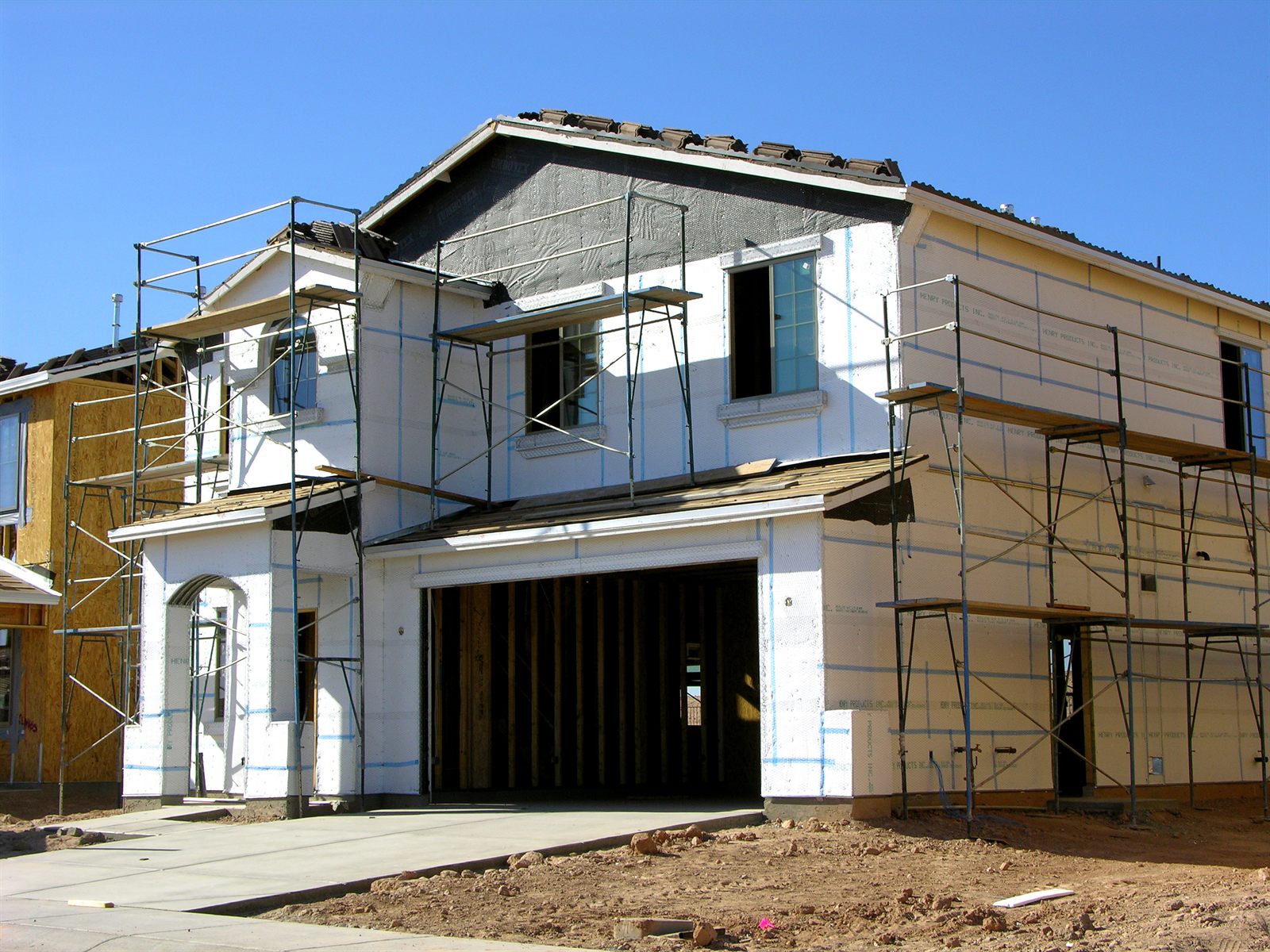
Here’s the short answer: new construction vs resale isn’t really about which house is “better” — it’s about who’s absorbing the risk and who’s paying for the convenience. Builders in fast-growing metros like Phoenix, Denver, and Omaha dangle real financial incentives to move inventory, and those incentives can be worth tens of thousands of dollars. But resale homes come with something builders can’t manufacture: an established neighborhood, mature landscaping, and a price that’s already been tested by the market. I’ve closed loans on both sides of this decision more times than I can count, and the right call depends on your time horizon, your risk tolerance, and honestly, what’s sitting on the builder’s lot that month.
New Construction vs Resale: Where the Money Actually Moves
With a resale home, you negotiate price, maybe some repairs, and perhaps a closing cost credit. That’s about it. With new construction, the builder controls the price, the lot premium, the options list, and often the financing — because many national builders own or partner with an in-house mortgage company. That in-house lender isn’t automatically a bad option, but it isn’t automatically the right one for you either. It varies by builder, by file, and by what they’re incentivizing that quarter. I always tell buyers: get your own pre-approval through an independent lender before you ever walk into a model home, so you have a real number to compare against whatever the builder’s team quotes you.

Builder Incentives: Read the Fine Print, Not Just the Headline
Builder incentives generally fall into a few buckets:
- Rate buydowns — the builder pays points to lower your rate for a period or for the full term. These can be genuinely valuable, but you need to understand what you’re giving up elsewhere; our explainer on mortgage points and rate buydowns walks through how to compare the cost of the points against the monthly savings.
- Closing cost credits — often contingent on using the builder’s preferred lender, which is worth comparing against outside quotes before you commit.
- Design-center credits — flooring, cabinets, appliance upgrades. Nice, but they don’t necessarily translate into resale value dollar for dollar.
- Price reductions on spec or quick-move-in homes — the builder already built it, it’s sitting there, and they’d rather discount it than carry it on the books.
None of these incentives are automatically a better deal than negotiating hard on a resale property — they’re just a different kind of leverage. The Consumer Financial Protection Bureau has good general guidance on shopping for and comparing mortgage offers before you commit to any single lender, builder-affiliated or not.

Phoenix, Denver, and Omaha: Three Different New-Build Markets
These three metros don’t behave the same way, and it matters for this decision.
Phoenix and the surrounding Valley still has a lot of greenfield land on the outskirts — Buckeye, Queen Creek, San Tan Valley — where builders are competing hard for buyers and incentives tend to be more generous. Closer in, around Scottsdale or Tempe, resale inventory in established neighborhoods often holds value better simply because there’s no more land to build on.
Denver has tighter geography thanks to the mountains and open-space buffers, so new construction skews toward infill and master-planned communities further out — think Aurora, Commerce City, or parts of Douglas County. Resale homes in established Denver neighborhoods like Washington Park or Highlands command a premium precisely because they can’t be replicated.
Omaha is a different animal entirely — more land availability, lower overall price points, and new construction that’s genuinely competitive with resale on price per square foot in a way you won’t see in coastal or mountain-west metros. For a lot of Omaha buyers, the new-construction vs resale decision comes down more to timeline and finish preferences than to a big affordability gap.
If you’re weighing neighborhoods across any of these metros, our guide to local market basics for home buyers in AZ, CA, CO, and NE breaks down how metro-level data should actually inform your search instead of national headlines that don’t apply to your street.
Resale Value: The Question Nobody Asks Until Year Five
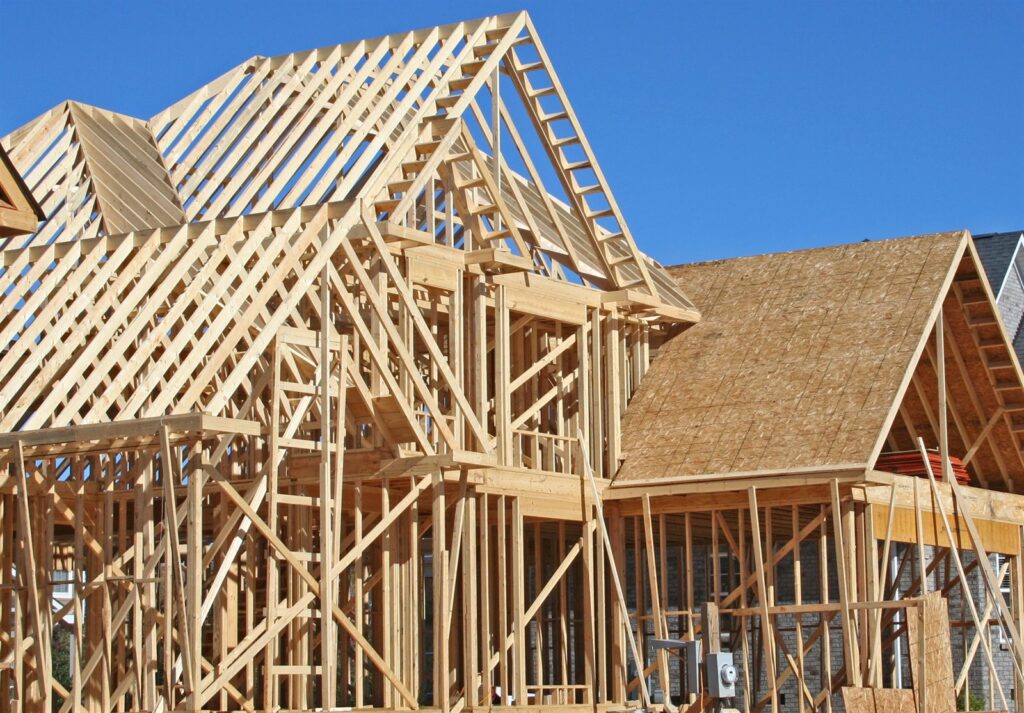
New construction has an appraisal advantage at closing — you’re paying what the builder says it’s worth, and comparable sales in a brand-new subdivision often support that number because every house is new. The resale value question shows up later. A subdivision built all at once tends to list and sell all at once too, which can mean more competing inventory when you eventually go to sell, especially if the builder is still actively selling the final phases down the street at a lower price than your resale ask.
Resale homes in established neighborhoods tend to have a longer track record of appreciation you can actually study, and the home appraisal process on a resale property draws from years of sales data rather than a handful of recent builder transactions. Property taxes are also worth comparing directly — new construction is sometimes under-assessed in year one before the county catches up to the improved value, which can mean a payment increase down the road. Our breakdown of property tax rates across Arizona, California, Colorado, and Nebraska is worth reading before you budget your monthly payment on either option.
Comparing a builder’s financing offer against an independent quote, or just want a straight read on what you’d qualify for on a resale home? See how Loanatik’s purchase loan options work and get a comparison before you sign anything with a builder’s preferred lender.
Making the Call: Questions I Ask My Clients
When clients bring me a new-construction contract next to a resale listing, I ask them to think through a few things honestly:
- How long do you plan to stay? Shorter timelines favor resale in established areas where appreciation is more predictable; longer timelines can make a builder incentive pencil out fine even if the neighborhood takes a few years to fill in.
- Do you actually want to negotiate, or do you want a fixed, non-negotiable process? New construction removes a lot of back-and-forth. Resale is a negotiation from the first offer to the final walk-through.
- What does the builder’s quote actually cost versus an independent lender’s quote on the same loan amount and credit profile? This takes twenty minutes and can be the difference between a real incentive and a wash.
- In a competitive resale market, are you prepared to move fast? Our piece on making a competitive offer in a seller’s market covers what that actually requires.
There’s no universally right answer here — approval and affordability both come down to your full file: credit, income, debt-to-income ratio, reserves, and the specific property, whether it’s framed last month or built in 1995.
FAQ: New Construction vs Resale
Do I have to use the builder’s lender to get the incentives?
Often yes, the credits are tied to using their preferred or in-house lender, though the terms vary by builder and by community. It’s still worth getting an outside quote to confirm the incentive is actually saving you money net of any rate or fee difference.
Is new construction always more expensive than resale per square foot?
Not automatically — it depends heavily on the metro and even the specific submarket. In Omaha, new construction is often price-competitive with resale; in tighter-land markets like parts of Denver or Scottsdale, new construction frequently carries a premium.
Will a new home appraise for what I’m paying?
Appraisers use comparable sales, and in a brand-new subdivision those comps often come from the builder’s own recent sales, which can support the contract price. That said, appraisals are never guaranteed to match a sale price exactly, and the outcome depends on the data available at the time.
This article is general education, not financial advice or a commitment to lend. Loan programs, terms, and availability are subject to credit approval and may change. Loanatik LLC is an Equal Housing Lender. See our licensing & disclosures.