
If you’re trying to figure out whether your business can qualify for an SBA-backed loan, the short answer is: it depends on your business size, structure, how you’ll use the money, and your own financial background as an owner. SBA loan requirements aren’t a single hard-and-fast checklist — they’re a set of standards the Small Business Administration sets, and then an approved lender like Loanatik underwrites your file against both SBA rules and its own credit standards. One thing worth clearing up right away: the SBA doesn’t lend you money directly. It guarantees a portion of the loan a bank or non-bank lender makes, which is what lets lenders extend longer terms and more flexible structures than they might otherwise offer.
What SBA Loan Requirements Actually Cover
When people ask about sba loan requirements, they’re usually really asking five separate questions: is my business the right size, am I the right kind of entity, am I operating in the right place, am I using the money for something eligible, and do I personally qualify as an owner. Let’s take these one at a time, because a business can fail on any single point and the whole application stalls regardless of how strong the other four look.
Size Standards: Are You Actually a “Small” Business?
The SBA defines “small” differently by industry, using either average annual receipts or employee count, and the thresholds are updated periodically. A construction company and a software company don’t get measured the same way — a manufacturer might qualify with several hundred employees, while a business in a services industry could be capped based on revenue instead. This trips people up constantly. I’ve had business owners assume they’re too big for SBA financing simply because they compared themselves to the wrong industry code. Before you rule yourself out, it’s worth having someone actually check the NAICS-code-specific standard rather than going on gut feel.
For-Profit Status and U.S. Operations
Two of the more black-and-white sba loan requirements: your business has to operate for profit, and it has to be based and primarily operating in the United States (or its territories). Nonprofits, most passive real estate holding entities without operating business activity, and businesses primarily operating abroad generally don’t fit the program. There’s some nuance around businesses with international sales or partial foreign ownership — those aren’t automatic disqualifiers, but they do get extra scrutiny, so disclose that structure early rather than letting it surface mid-underwriting.
Owner Occupancy for Real Estate Deals
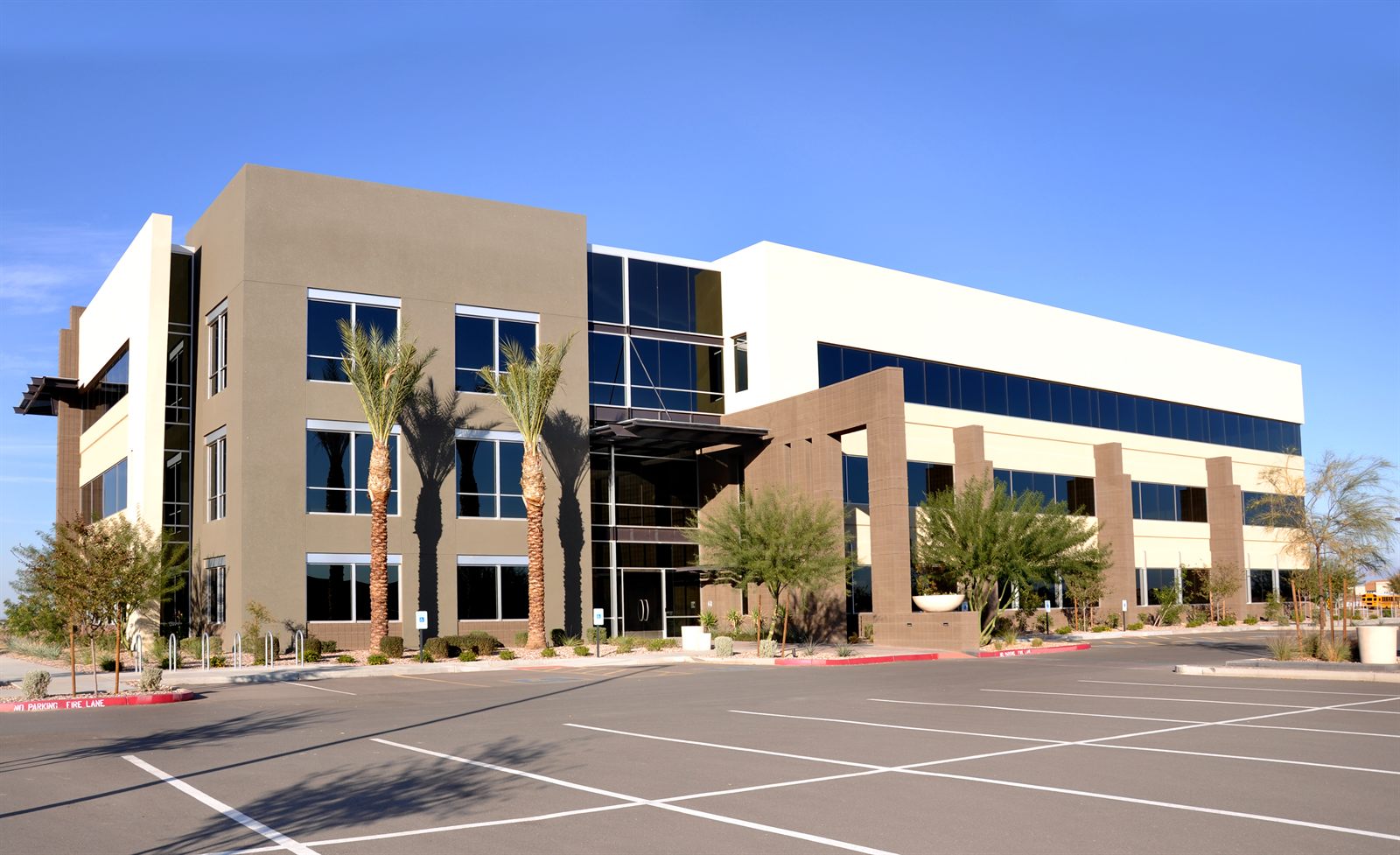
If you’re using SBA financing to buy or build a commercial property — which is common with the SBA 504 loan’s three-part structure — the owner-occupancy rule matters a lot. Generally, for an existing building, your business needs to occupy a meaningful majority of the square footage (roughly 51% for existing property, a higher share for new construction), with the rest allowed to be leased out to tenants. This is why SBA real estate loans work well for owner-operators — the dentist who owns the building her practice sits in, the manufacturer who owns the warehouse he runs production out of — but generally aren’t the right tool for a pure investment property play, where a DSCR loan or other investment-property financing is a better structural fit.
Use of Proceeds
SBA loans can generally be used for:
- Purchasing owner-occupied commercial real estate
- Construction or major renovation of a business property
- Buying equipment, machinery, or long-term fixed assets
- Working capital, inventory, and certain refinancing of existing business debt
- Buying an existing business or business partner buyout
What they generally aren’t for: speculative real estate investment, paying off personal debt unrelated to the business, or funding a passive investment where the owner isn’t actively running day-to-day operations. If you’re weighing whether a 504 or a 7(a) fits your use case better, I’d point you to our breakdown of SBA 504 vs. 7(a) structures before you get too far into paperwork — the right program depends heavily on whether you’re buying real estate, funding working capital, or both.
Not sure whether an SBA 504 or 7(a) structure fits your business better? See how Loanatik’s SBA loan programs work and get a sense of what documentation to start pulling together.
Owner-Level Requirements
This is the part borrowers underestimate most. SBA loan requirements aren’t just about the business — lenders also evaluate the owners personally, typically anyone holding 20% or more equity. That review generally includes personal credit history, relevant industry experience or management background, existing personal debt and cash reserves, and often a personal guarantee on the loan. Derogatory marks, high personal debt, or thin industry experience don’t automatically sink an application, but they get weighed alongside everything else — credit profile, cash flow, collateral, and the strength of the business plan all factor into the underwriting decision together, not any single item in isolation.
Collateral matters too, though its role varies by loan size and structure. For larger loans, lenders will typically want a lien on business assets and sometimes real estate, but a shortfall in available collateral isn’t automatically disqualifying if the rest of the file — cash flow coverage and owner capacity, in particular — is solid.
Credit, Cash Flow, and Documentation
Expect the underwriting process to look at business tax returns (usually two to three years), personal tax returns for owners, a debt schedule, financial statements, and a business plan or use-of-proceeds narrative for anything involving expansion or acquisition. Cash flow coverage — whether the business generates enough to service the new debt on top of existing obligations — carries real weight. This is standard for any commercial lending decision, and the same logic underpins programs like commercial real estate loans outside the SBA umbrella. For a broader look at how the guarantee mechanics and program options fit together, our guide to SBA loan programs walks through the 504 and 7(a) tracks side by side. The Consumer Financial Protection Bureau also publishes small business lending resources worth a look if you want the regulatory backdrop on how these products get reported and reviewed nationally.
FAQ
Do sba loan requirements differ between the 504 and 7(a) programs?
Yes, somewhat. The 504 program is structured around fixed-asset purchases like real estate and heavy equipment and involves a certified development company alongside the lender. The 7(a) program is broader and can cover working capital, acquisitions, and debt refinancing. Core eligibility concepts — size, for-profit status, U.S. operations, owner background — apply to both, but proceeds and structure differ.
Can startups meet sba loan requirements?
Newer businesses can apply, but lenders will weigh limited operating history alongside owner experience, projected cash flow, and available collateral more heavily than they would for an established business with several years of tax returns to show.
Does a low personal credit score automatically disqualify an owner?
Not automatically — credit score is one factor among several, including cash flow, industry experience, and collateral, that get considered together. A weaker score in one area doesn’t by itself determine the outcome, though it can shift how a lender structures the request.
Thinking about your next move? Get a fast, no-pressure look at your options with a licensed Loanatik officer. Start here →
This article is general education, not financial advice or a commitment to lend. Loan programs, terms, and availability are subject to credit approval and may change. Loanatik LLC is an Equal Housing Lender. See our licensing & disclosures.