
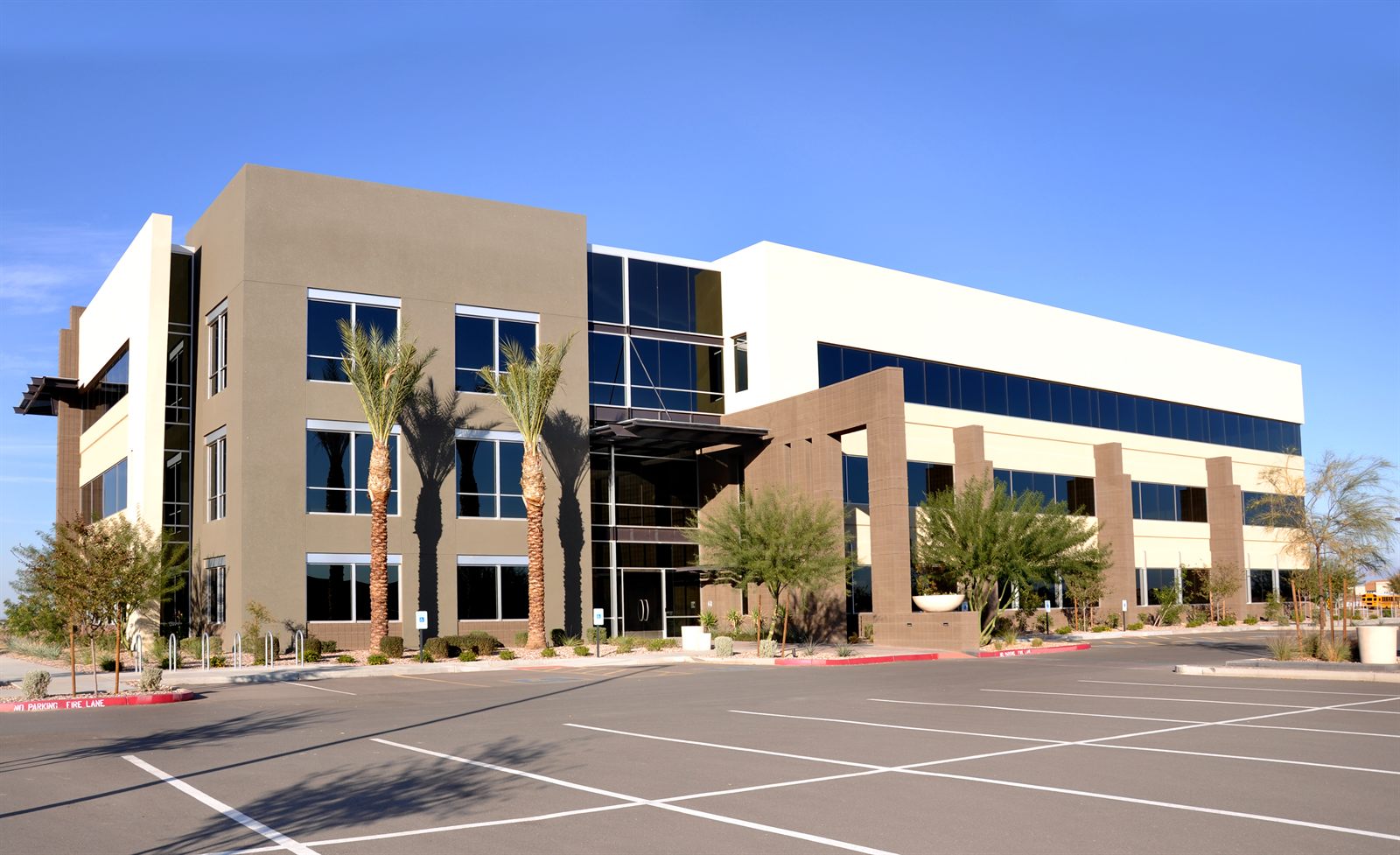
A small balance commercial loan is generally one under roughly $5 million — sometimes as low as $250,000 for a small warehouse or flex unit — and it sits in an awkward spot in the lending world. It’s too small to interest a lot of the big commercial shops, but too complex (real property, income analysis, sometimes environmental review) for a lender that only does consumer mortgages. In my experience, that gap is exactly why so many owner-users and small investors struggle to get these deals financed, even when the underlying property and business are perfectly solid.
What Counts as a Small Balance Commercial Loan
There’s no single legal definition, but in practice this kind of financing usually means a purchase, refinance, or bridge transaction on a property valued somewhere between a few hundred thousand dollars and a few million. Think a 6,000-square-foot warehouse a machine shop owner wants to buy instead of leasing, a small flex building split between office and shop space, or a single-tenant industrial building an investor is picking up for cash flow. It can be owner-occupied or investor-owned, and it can be a straight purchase, a rate-and-term refinance, or short-term bridge money while a building gets stabilized.
What ties these deals together isn’t size alone — it’s that the loan amount is too small to justify the overhead a lot of institutional CRE lenders build into a deal (syndication, extensive legal review, dedicated portfolio management), yet the property itself still needs a real commercial underwrite: net operating income, debt service coverage, lease terms if there’s a tenant, and often a Phase 1 environmental review before anyone will fund.
Why These Deals Get Underserved
Big banks and life insurance companies that fund large commercial portfolios generally want loan sizes that make the fixed cost of underwriting worth it — often $10 million and up. A $600,000 industrial condo loan takes nearly as much staff time to underwrite as a $6 million one, but it generates a fraction of the revenue. So a lot of large lenders simply don’t compete for it.
On the other end, community banks that historically filled this space have tightened up in a lot of markets, particularly for special-purpose buildings like manufacturing space or contractor yards where the collateral is harder to resell if things go sideways. That leaves a real gap for borrowers who don’t fit the SBA box (more on that below) and don’t have the size to interest a large commercial shop.
- Owner-users buying a modest industrial building instead of leasing
- Investors picking up a single-tenant warehouse for cash flow
- Business owners refinancing out of a maturing balloon note
- Buyers needing short-term bridge financing to close before a lease is fully in place
Who Actually Lends on These Deals
The lenders active in this space tend to be regional and non-bank commercial lenders who’ve built underwriting processes specifically sized for smaller deals — meaning they don’t require the same volume of committee review a $20 million deal would get, but they still verify income, review the lease if there is one, and order an appraisal and environmental screen appropriate to the property type. Loanatik’s industrial, warehouse, and flex financing is built around exactly this kind of deal, and our broader commercial real estate loan programs cover owner-occupied and investor-owned buildings that don’t fit a large-balance institutional box.
For borrowers who need speed over structure — a short closing window, a property with some deferred maintenance, or a seller who won’t extend the contract — private and hard-money lending in Arizona can bridge the gap until permanent financing is in place. It’s worth saying plainly: if your business and the real estate both qualify under SBA size standards and use-of-proceeds rules, an SBA 504 or 7(a) loan might genuinely be the better fit for the deal — our SBA 504 & 7(a) loans page walks through that separately.
Have an industrial, warehouse, or flex property in mind? See how a small balance commercial loan gets structured on our industrial, warehouse & flex financing page, or start the conversation directly.
The Property Itself Matters as Much as the Borrower
On a deal this size, the building carries almost as much weight in underwriting as the borrower’s financials do. Clear height, power capacity, ventilation, and functional layout all affect resale value and, by extension, how a lender views the collateral. A single-tenant building with a long lease reads very differently than a vacant flex space with no income history — our piece on single-tenant industrial financing vs. multi-tenant deals gets into why that distinction changes the loan structure.
Loan structure also matters more at this size than borrowers expect. Amortization periods, balloon terms, and whether the loan is recourse or non-recourse all get negotiated, not assumed — our explainer on commercial mortgage loan structure, balloons, and recourse is a good starting point if you haven’t financed commercial property before. And because down payment expectations on commercial deals differ meaningfully from residential ones, it’s worth reading up on what to expect for a commercial loan down payment before you start shopping properties.
Regulators also pay close attention to how small business credit — including financing at this scale — gets extended and reported, which is part of why documentation on these deals can feel heavier than a similarly sized consumer loan. The CFPB’s small business lending data rule is a useful reference if you want to understand why lenders ask the questions they do.
What to Have Ready Before You Apply
Because these deals get less standardized treatment than a big institutional loan, being organized upfront speeds things along. At minimum, expect to provide:
- Two to three years of business and personal tax returns
- An up-to-date rent roll or lease abstract if the property is tenant-occupied
- A purchase contract or existing loan statement, depending on purchase vs. refinance
- Basic property information — square footage, clear height, year built, and any known environmental history
None of this guarantees approval — every file gets weighed on credit, cash flow, the property’s condition, and reserves together, not any single factor in isolation — but it does shorten the back-and-forth on a deal like this considerably.
FAQ: Small Balance Commercial Loan Basics
Is a small balance commercial loan the same as an SBA loan?
Not necessarily. SBA 504 and 7(a) programs are one path to financing owner-occupied commercial property, but plenty of transactions in this size range — especially investor-owned buildings — are conventional, non-SBA deals. Which one fits depends on occupancy, business size, and use of proceeds.
Can I get a small balance commercial loan for an investment property, not just owner-occupied?
Yes. Investor-owned industrial and flex buildings are financed through conventional commercial loan programs, with underwriting focused on the property’s income and lease terms rather than the borrower’s business operations.
Why does the property type change what I can borrow?
Specialized buildings — manufacturing space, contractor yards, cold storage — carry different resale assumptions than a generic warehouse, and lenders factor that into loan size and terms on deals like these.
Thinking about your next move? Get a fast, no-pressure look at your options with a licensed Loanatik officer. Start here →
This article is general education, not financial advice or a commitment to lend. Loan programs, terms, and availability are subject to credit approval and may change. Loanatik LLC is an Equal Housing Lender. See our licensing & disclosures.