
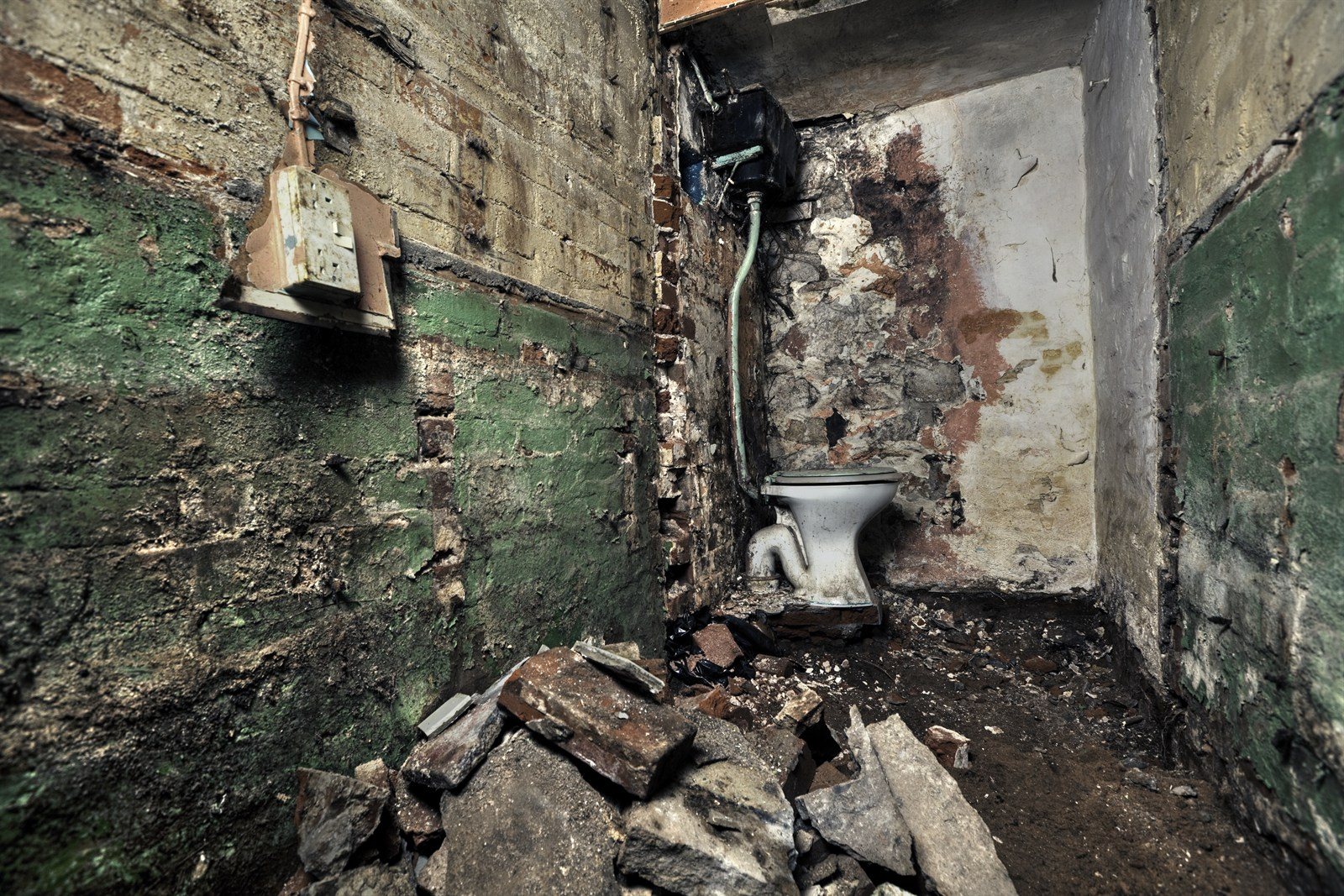
A rehab loan lets you finance a home purchase (or refinance one you already own) and the cost of renovating it, all in a single mortgage instead of juggling a purchase loan and a separate personal loan or credit card for repairs. Rehab loan requirements vary by program, but lenders generally weigh your credit, income, the scope of the renovation, and the home’s projected value once the work is done. In my experience helping buyers in Phoenix, Sacramento, and Denver chase down fixer-uppers, this type of financing is often the difference between walking away from a great house and actually being able to make an offer on it.
What Is a Rehab Loan, Exactly?
A rehab loan wraps the purchase price (or existing payoff) and renovation costs into one loan amount, based on the home’s “after-repair value” rather than just its as-is condition. Instead of closing on the house, then scrambling to fund a kitchen remodel or new roof separately, you close once, and the renovation money sits in an escrow account that gets released to your contractor as work is completed. For owner-occupied properties, we originate these as home loans in Arizona, California, Colorado, and Nebraska — I’d never tell a client in another state that we can do their primary residence loan, because we can’t.
If you’re an investor buying a distressed property to fix and resell, that’s a different animal — usually a short-term hard money or bridge product rather than a traditional rehab mortgage, and Loanatik handles that side nationwide for investment and business-purpose deals. If that’s your situation, our overview of how investors finance a renovation project with fix and flip loans is a better starting point than this article.
The Main Rehab Loan Programs
For owner-occupants, the two you’ll run into most often:
- FHA 203(k): Backed by HUD, available in a “limited” version for cosmetic work and a “standard” version for structural repairs, additions, or major systems work.
- Conventional renovation loans (like Fannie Mae HomeStyle): Typically require stronger credit than FHA but allow a broader range of improvements, including luxury items FHA won’t finance.
You can read more about how FHA underwriting generally works in our FHA loan requirements breakdown, since the 203(k) shares the same core credit and income framework as a standard FHA purchase, just with an added renovation layer.
Rehab Loan Requirements: What Lenders Look At
This is the part I get the most questions about, and it’s worth being direct: no single factor determines approval. Underwriters weigh credit score, debt-to-income ratio, income stability, reserves, and the property itself together — a strong score doesn’t offset a debt load that’s out of range, and vice versa. That said, here’s what typically factors into rehab loan requirements across programs:
- Credit score: FHA 203(k) programs tend to allow lower minimum scores than conventional renovation options, though your rate and terms still reflect where you land.
- Debt-to-income ratio: Lenders look at your total monthly obligations, including the new mortgage payment, against gross income.
- Contractor bids and scope of work: You’ll need a licensed, often lender-approved contractor and a detailed cost breakdown before closing — this isn’t a DIY-and-hope situation.
- After-repair value: An appraiser estimates what the home will be worth once the renovation is complete, and your loan amount is capped relative to that number, not just the “as-is” price.
- Reserves and contingency funds: Most programs require a contingency reserve (commonly 10-20% of the renovation budget) in case costs run over.
I always tell clients: gather your contractor quotes early. Rehab loan requirements around documentation are more involved than a standard purchase, and a vague scope of work is the single biggest reason files stall in underwriting.
Thinking about buying a house that needs some love? Start with our purchase loan options and let’s talk through whether a rehab loan fits the property you have in mind.
Who Typically Qualifies for a Rehab Loan
There’s no universal profile, but people who tend to move through rehab loan requirements smoothly usually share a few traits: steady, documentable income, a debt-to-income ratio within the program’s guidelines, and enough cash reserves to cover the contingency requirement plus normal closing costs. First-time buyers use these programs too — I’ve closed 203(k) loans for buyers in Sacramento who couldn’t compete for move-in-ready homes but could win a bid on a dated one with a solid renovation plan. If you’re new to the buying process generally, our first-time buyer guide covers the basics that apply on top of the renovation-specific requirements.
Where I see files get denied isn’t usually one bad number — it’s a combination: thin reserves stacked on a high DTI, or a contractor bid that doesn’t match the appraiser’s after-repair estimate. Address the weak spots before you apply, not after.
How the Process Actually Works
Once you’re under contract, the lender orders an appraisal based on the planned scope of work, not just its as-is condition. Renovation funds go into an escrow or holdback account, and your contractor gets paid in draws as portions of the work are inspected and signed off — similar in spirit to how draws work on a home rehab loan for a house that needs work, though the inspection cadence depends on the specific program. Expect the closing timeline to run a few weeks longer than a standard purchase because of the extra appraisal and contractor documentation involved.
FAQ: Rehab Loan Requirements
Do rehab loans require a licensed contractor?
Most programs require your renovation work to be performed by a licensed, insured contractor, and many lenders review the contractor’s bid and qualifications before approving draws. Owner-performed labor is generally restricted or excluded on FHA 203(k) loans.
Can I use a rehab loan on a second home or investment property?
FHA 203(k) is limited to primary residences. Conventional renovation programs sometimes allow second homes with adjusted terms. Investment properties usually fall outside these owner-occupant products entirely and are better fits for our investment property loan programs or a fix-and-flip structure.
How much can I borrow for renovations?
It depends on the program and the appraised after-repair value, not just your renovation budget wish list. Your loan officer can walk through the math on a specific property once you have a contractor bid in hand.
For more detail on how HUD structures its 203(k) rehabilitation mortgage insurance program, including eligible repairs and minimum standards, see HUD’s official 203(k) program overview.
Thinking about your next move? Get a fast, no-pressure look at your options with a licensed Loanatik officer. Start here →
This article is general education, not financial advice or a commitment to lend. Loan programs, terms, and availability are subject to credit approval and may change. Loanatik LLC is an Equal Housing Lender. See our licensing & disclosures.